
Culture shocks experienced by foreigners (Indians) when they came to Japan
table of contents
- 1 Japan's security is too good
- 2 Japanese food
- 3 Why is the naan so big and sweet in Indian restaurants in Japan?
- 4 The taste of Indian curry served at Indian restaurants in Japan is different
- 5 Shocked when my thank-you tip was rejected
- 6 Never let anyone see you naked
- 7 Saying itadakimasu (thank you for the meal)/gochisousama (thank you for the meal)
- 8 Do you speak casually with your family? Why?
- 9 Bowing in various situations
- 10 Eat noodles by slurping them noisily
- 11 summary
> Self-introduction
My name is "P", and I'm an Indian who loves Japan.
I work in Japan as an engineer in the System Solutions Department.
My motto is "Never Give Up (Try Your Best)" and
I like to eat sushi and ramen.
My favorite anime is One Piece.
I can speak Japanese (Kansai dialect), English, and Hindi.
*This is the culture shock I, an Indian foreigner, experienced when I came to Japan
This may vary from person to person, but please note that this is just my personal experience in Japan
I also have a blog I created previously, so please take a look if you'd like!
Why I, an Indian, came to Japan (Why foreigners are fascinated by Japan)
What I, an Indian, felt after working at a Japanese company (Beyond Inc.)
Japan's security is too good
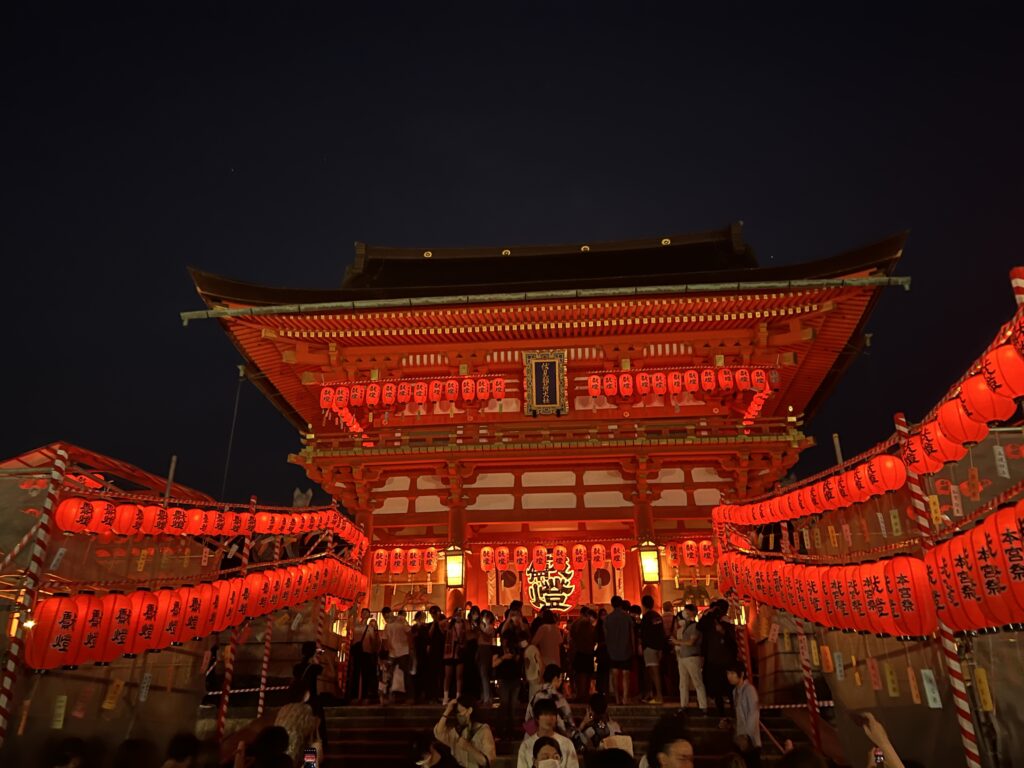
Even small children ride the train alone
I was surprised to see that even elementary school-aged children sometimes ride the train alone in Japan
In Japan, it is common to find convenience stores and restaurants that are open 24 hours a day
In India, there are basically no stores that are open 24 hours a day, except for restaurants in parking lots
There are many unmanned stores in Japan
I've lived in India for 21 years and have never seen an unmanned store, nor have I heard of one in any other country
Women can walk outside without worrying about the time
In Japan, women can walk outside safely even late at night. Japan has a low crime rate compared to other countries, so many people can live there safely. With many security cameras and frequent police patrols, a safe life is maintained
Japanese food
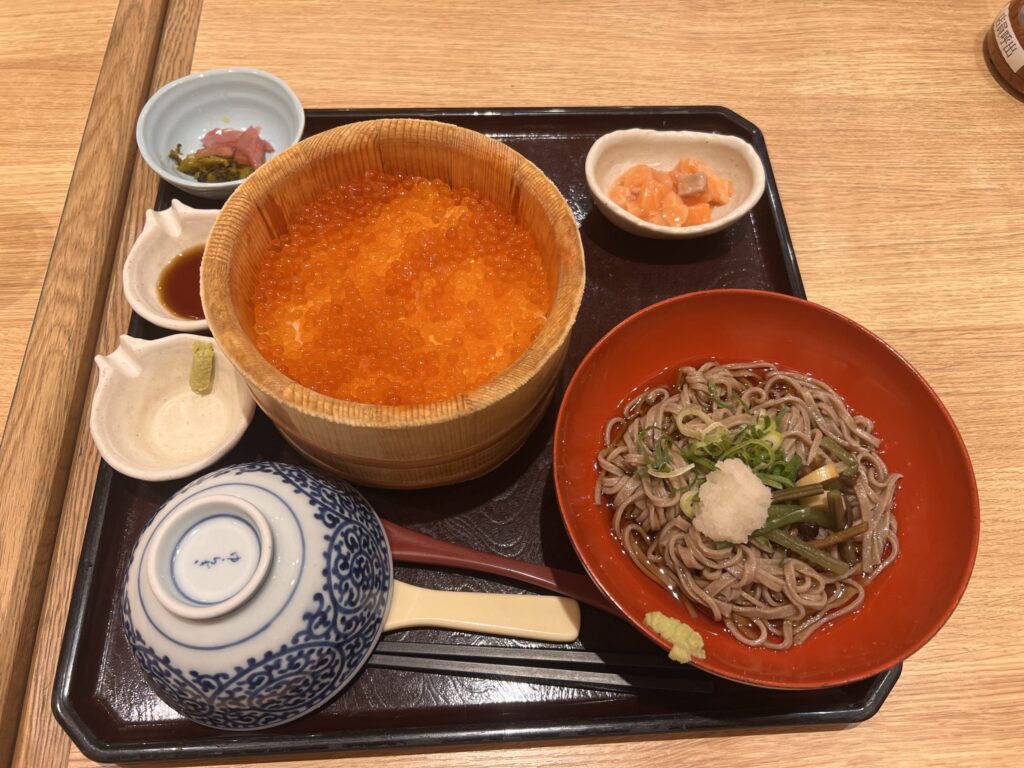
There is a big difference between what Japanese people think of as spicy food and what I think of as spicy food
For example, foods that Japan considers to be extremely spicy are slightly spicy to me. Japanese curry tastes sweet to me. When I tried it, I found it to be very delicious
Japan has a culture of eating raw fish and raw chicken
In Japan, you can sometimes eat chicken fillet at izakayas. Since eating raw chicken is prohibited overseas, I was very surprised when I saw it for the first time. It tastes very delicious, and I personally like it
*It may upset your stomach, so eat at your own risk (lol)
Natto (fermented soybeans) culture
I have tried it before, but I found the smell very strong and unpleasant. It has a sticky texture that I have never tried before, and there are quite a few Japanese people who cannot eat it
Why is the naan so big and sweet in Indian restaurants in Japan?
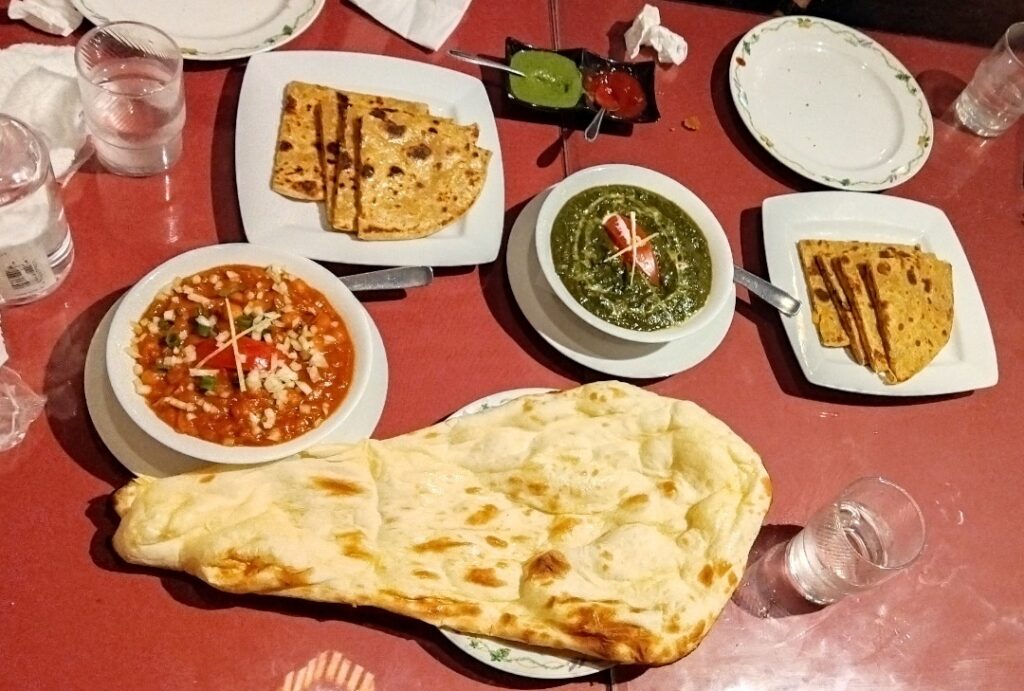
Why are most Indian restaurants owned by Nepalese people?
Of course, there are Indian restaurants run by Indians, but for some unknown reason, most Indian restaurant owners are Nepalese
I was surprised at the size of the naan
I was very surprised when I saw such a big naan for the first time because I had never seen such a big naan in India
In my home country, I have only ever seen naan the size of a tortilla. It also tastes sweet. It might be a naan made for Japan (lol)
The taste of Indian curry served at Indian restaurants in Japan is different
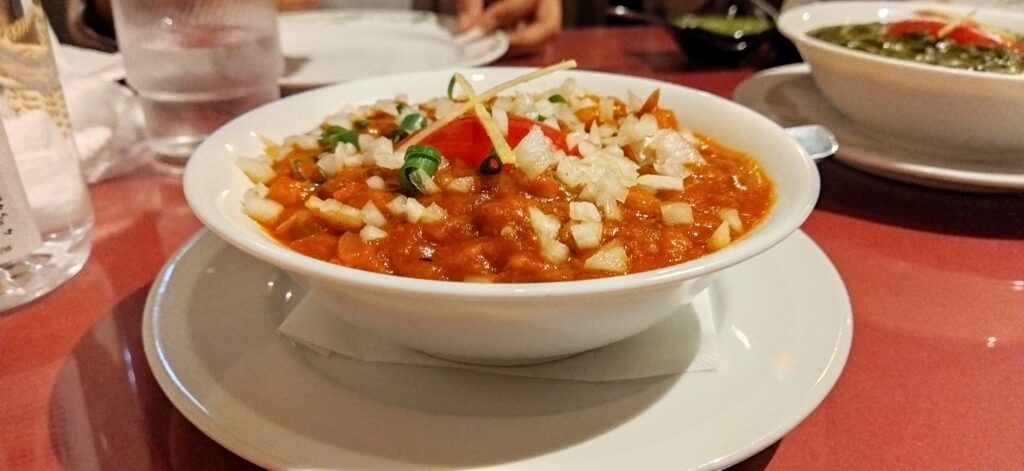
All the dishes at Indian restaurants in Japan are remade to suit Japanese tastes
It depends on the restaurant, but I have had the experience of being served curry that tastes completely different from the curry I had in my home country, and when I asked the restaurant staff, they told me, "We've been serving this flavor for 20 years." If I were to compare it to sushi, it would be like ordering "salmon" and getting "tuna" instead, as the taste and appearance would be different
Also, when I go to Indian restaurants in Japan and choose maximum spiciness, they often don't make it to the level of spiciness I want
Shocked when my thank-you tip was rejected
Being refused a tip
The first time I went to a Japanese restaurant, I tried to give a tip to the waiter, but he refused. I was surprised because he looked very confused
Tipping is a common culture in India, so everyone accepted tips without saying anything
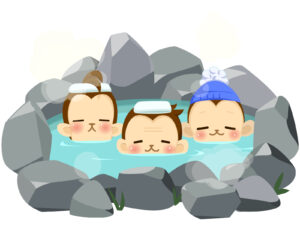
Never let anyone see you naked
In Japan, there is a culture of saunas, hot springs, and baths together, and it is a common practice. Japanese people have been bathing with family and friends since childhood, and recently there has been a sauna culture, but in India, it is unthinkable for other people to see you naked, so I was surprised when I first heard about it
By the way, I've been living in Japan for five years, but I'm still too embarrassed to have ever been to a bath or sauna
Soak in the bathtub every day (although it depends on the person)
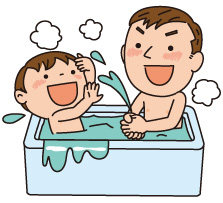
In India, there is no such thing as a bath, so people generally take showers every morning and evening
Saying itadakimasu (thank you for the meal)/gochisousama (thank you for the meal)
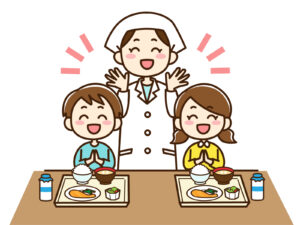
In India, there is no culture of saying "itadakimasu" (thank you for the meal) or "gochisousama" (thank you for the meal), but in our hearts we do express gratitude to the person who prepared the meal
Do you speak casually with your family? Why?

In India, honorific language is always used when speaking with family and others
In Japan, I was shocked at first to see that people generally use honorific language with people outside of the family, but speak casually with family. In India, you get in trouble if you don't use honorific language with family, so I was very surprised when I saw Japanese people speaking casually with their families
This applies whether you are dealing with a superior or a subordinate
Bowing in various situations

Types of bows (3 types)
- Bow (15 degrees) A light greeting
- Salute (30 degrees) A general greeting
- Deepest bow (45 degrees) A greeting showing deep respect
When do you use a bow?
・When greeting
, making a request
, apologizing
, visiting a temple or shrine
, and expressing gratitude
Bowing like this is bad manners!!!!!!!
*This is just my personal experience. Of course, it depends on the situation, so it's not necessarily bad manners
・Bowing without making eye contact
・Bowing while hunched over
・Bowing repeatedly
・Looking at the other person's face while bowing
・Bending only the neck
Eat noodles by slurping them noisily
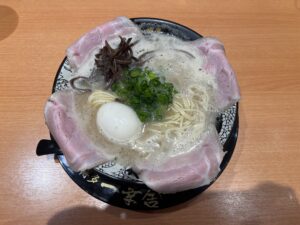
In Japan, there is a culture of slurping when eating noodles such as ramen and soba, but eating in the same way overseas is considered bad manners. We are taught from a young age that basic etiquette is to eat quietly
summary
I think it's natural that the culture is completely different from country to country, but I think it's best to enjoy the people and food of that country
Of course, since you grew up in a different environment, there may be many things that surprise you at first, but that is the culture of that country, so I think it's better to accept it and enjoy it rather than comparing it to other countries. Rather than complaining, I think life will be more enjoyable if you learn about the culture and people of that country
Of course, Japan has a completely different culture from India, but it's up to you whether you accept it and enjoy your life every day, or whether you compare it to your own country's culture and make it hard for yourself. My advice is to accept the culture of the country and enjoy your life every day!!
 10
10 Loading...10



The person who wrote this article
About the author