
[Shy people welcome] Photographer's communication techniques revealed [Portrait]
Hello, this is Goto from the Web Services Division
As a photographer, I have shot a variety of portraits, including weddings, coming-of-age ceremonies, Shichi-Go-San celebrations, fashion models,and mothers
Previously, when I posted a portrait photo of my mom on social media,
"Lol, as expected."
I've received comments like these, but I don't mind being laughed at as long as it makes my mom happy
However, my attractiveness index might have dropped a little.That's a bit of a problem, after all.
Now, through my experience taking many portraits, I 've developed my own "method" for communicating with subjects during shoots— a method that I believe works well
When I first started photography, I tried my hand at portrait photography without knowing anything, but since I wasn't particularly good at communication to begin with, I was flustered the whole time during the shoot and itwas a complete disaster.
However, even someone as shy and quiet as me was able to communicate smoothly during filming by being mindful of a few key points.
To give you an idea of how shy I am, I oncewent to a group blind date that a senior colleague dragged me to, andI left without saying a single word.
As I was leaving, the girl, "You didn't say a word today."snapped
I'm sure there aren't many people who are this shy
Therefore, the communication techniques during filming that I will discuss in this article are highly reproducible .
This article will provide a detailed explanation, using examples , of everything from the basics of communication during filming to how to give instructions to your subject
Even if you're not a photographer, I think most people have many opportunities to photograph people in their work or daily lives
- I am often asked to photograph employees as a company public relations officer
- I want to take pictures of my close friends and loved ones in a way that makes them look even more attractive
This will surely be useful for people like those mentioned above
Also, for those who are interested in what photographers think about while they are shooting ,
Please be sure to watch until the end
You can see all the photos I've taken so far on Instagram (@gotoh_2682)
What you will learn from this article
- Learn how the cameraman communicates during the shoot
- Understand basic points to keep in mind when communicating during filming
- Learn how to give instructions to the subject during the shoot
Portrait photographers are in the service industry
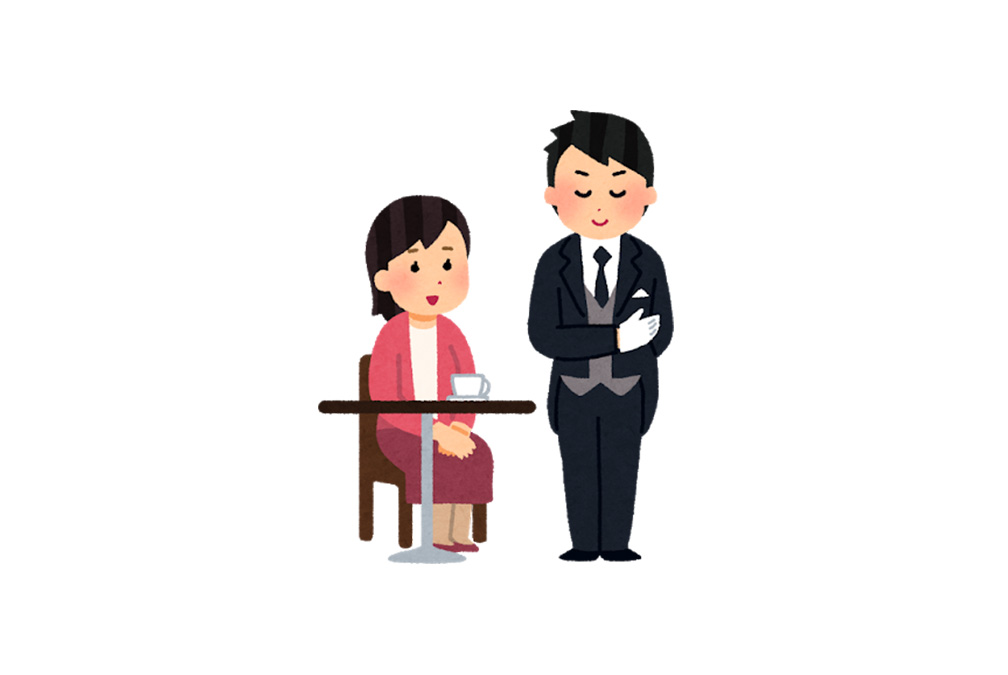
When I take portraits as a photographer, I keep in mindthat being a portrait photographer is both a creative profession and a service industry.
It goes without saying that the quality of the final photographic data delivered to the client is crucial, but I believe that providing the subject with a good shooting experience is equally important
This is because, in today's world where "high image quality" has become commonplace thanks to advancements in smartphones and other technologies, I believe that providing a good shooting experience is one of the added values of photography by professional photographers . Furthermore, the more the subject enjoys the shooting process, the more likely it is that good photos will be taken.
Based on the above ideas, we will discuss the communication approach that photographers should take
Don't make your subject feel uneasy
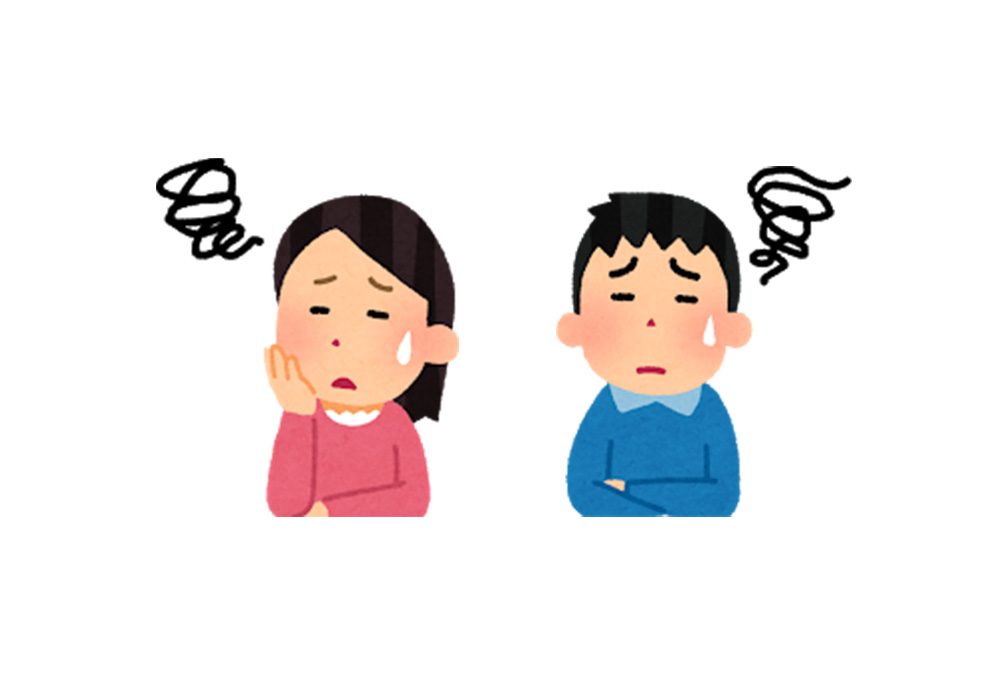
Portrait photography is more delicate for the subject than the photographer might realize .
Photographers tend to focus solely on whether they can take a good picture according to their own standards , often neglecting the subject's requests and feelings .
However, the subject is equally concerned during the shoot, wondering if they are being photographed with a good expression and pose , and if the photos are being taken in the style they wanted
To make the subject feel comfortable during the shoot,
First and foremost, it's important to alleviate as much of the subject's anxieties about the photoshoot as possible through communication .
Examples of communication that don't make the subject feel uneasy
The following are the communication methods I try to use to alleviate my subjects' anxiety during photography
- Before starting the shoot, I ask the photographer how they want to shoot and try to come up with as many details as possible
*Alternatively, we may share the results of the shoot during the shoot to understand the subject's preferences for how they want to be photographed
- Always praise them when they make a good pose or a good expression
- If you take a good photo, share it
- Even if the photo isn't good, don't look sad or say anything negative
*In my case, I usually smile and say , "Shall we try a different way of taking the picture?"
Through these efforts, I try to reassure the subjects that they are being photographed properly , so that they can perceive the photoshoot as an enjoyable experience .
It's also important that the photographer doesn't panic or get flustered during the actual shoot because they don't know how to shoot. If the subject notices that the photographer is panicking during the shoot, they will become anxious and think, "Oh no, I wonder if today's shoot will be okay..." Plan as much as possible before the actual shoot, including aligning on the shooting concept, selecting locations, and coordinating posing ideas .
Thus, while pressing the shutter button for a photograph is instantaneous, the process leading up to that point is quite a long and drawn-out task
Also, I have explained how to take beautiful, good photos in a previous article, so please take a look at that as well
[With examples] Photographer explains tips for taking beautiful photos with a smartphone
As an aside,
Many people probably have the image that during a photoshoot, the photographer keeps repeating things like, "That's great!" right?
Certainly, I too sometimes"Oh, that's great!"during a shoot, but from what I've written so far,"Oh, that's great!"is only the tip of the iceberg of the communication a photographer engages in.
the photographeris actually employing various communication techniques.
Incidentally, people who are shy tend to have a habit of saying "Ah," whenever they speak .
It's me
However, whether or not you are shy does not actually have much of an impact on whether or not you can communicate as a photographer
Being able to quickly connect with people you meet for the first time is certainly an advantage as a photographer,
More important than that is the photographer's ability to notice changes in the subject's feelings during the shoot, and to know what tends to make the subject anxious during the shoot. These are crucial communication skills for a photographer .
Giving instructions to the subject is important
From here on, I will explain how to give instructions during filming
Giving instructions to the subject is one of the photographer's important roles in portrait photography .
When the subject is a professional model, they will suggest many expressions and poses without needing much instruction from the photographer, butmost people are not used to being photographed.
Make sure you remember how to give clear instructions so that you can take photos smoothly no matter who the subject is
How not to give instructions
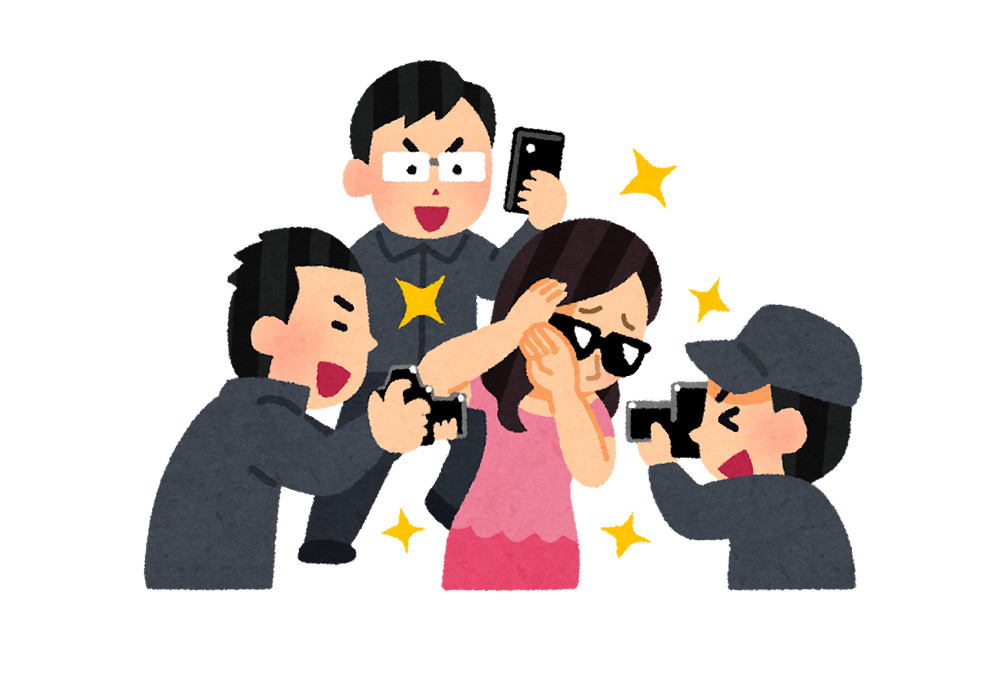
First, here are some instructions on what not to do:
First of all, the cameraman doesn't give any instructions at all
Especially when photographing someone who is very uncomfortable with having their picture taken , if the photographer doesn't give any instructions, the subject will feel anxious and perceive the photoshoot as a painful experience
To ensure you can give instructions smoothly during the actual performance, organize your instructions in advance, such as posing and facial expressions
Giving instructions that are difficult to visualize
If you give instructions that are difficult to imagine or not specific, your subject will become confused
For example, during filming,you might be asked, "Please express how you would feel if the banana you're holding suddenly turned into an orange!"
If someone gave instructions like that,everyonewould surely be confused.Let's avoid this kind of thing.
Forcing subjects into poses or expressions they don't like
Sometimes, a photographer's strong desire to capture a particular image can unconsciously lead them to force specific posing and facial expression instructions
A surprisingly common problem is when photographersforce their subjects to smile. Many women, in particular, don't like their own smiles and would rather have their photos taken with a more posed, serious expression.
From a photographer's perspective , it's easy to automatically assume that a photo with a smile is a "good photo!" , but the subject doesn't necessarily want to smile in the picture.
As you take photos, be sure to ask your subject what kind of expression they want to have in the photo, and be careful not to force them into a certain pose or expression out of your own ego as the photographer
*However, as an exception, if you happen to take a good photo in a direction the subject didn't want,, "I think this way of looking is also lovely!"If that leads the subject to discover a new charm in themselves, that would be wonderful.
How to give instructions to your subjects as a photographer
Based on the above examples of inappropriate instructions to give to subjects, it can be said that the followingtwo pointsshould be kept in mind when giving desirable instructions.
- Instructions must be clearly communicated to the subject
- The instructions given are not "coercive" to the subject
I will explain each point in order, taking into account the above points
How to give clear instructions to your subject
When I give instructions to my subjects,
"Can you look a little higher?"
"Look out the window."
In this way,I make a conscious effort to make it easy to understand exactly what to do.
From here further,
Sometimes I ask, "I'd like to take a photo of you looking out the window and thinking, 'What nice weather!'"
However, not everyone can smoothly create the right facial expressions or poses with these instructions , so if someone seems to be having difficulty, we switch to different instructions.
If it's difficult to share an image with the subject through verbal instructions, I sometimes show them actual portrait photos and suggest, "Let's try this posing too!"
When taking a photo of someone who doesn't like having their picture taken
When you want to photograph your subject with natural expressions and poses ,
"Try walking towards me!"
And ask,
"Is there any hobby you've been into lately?"
"Have you eaten at any delicious restaurants recently?"
We will film while having conversations such as:
People who are not comfortable with having their picture taken tend to stiffen up when they become aware of the camera's presence . By taking photos while chatting casually like this, you can prevent them from focusing too much on the camera , making it easier to capture natural expressions .
Of course, this is an effective method even if your subject is not shy about taking photos, if you want to capture a more natural pose or expression
How do you get your subjects to smile?
I think every photographer has probably struggled at some point with how to get their subjects to smile
Even if you're not a professional photographer, many people have probably experienced the frustration of being suddenly asked to take a commemorative photo at a party, or struggling to get a smile from their subject during a portrait shoot
I'm a prime example of this, but I think many people who aren't good at livening up a situation tend to have a particular aversion to bringing out genuine smiles in others
*Obviously, smiling is not necessarily the best solution here, but when it comes to commemorative photos, it is often desirable to have a happy, smiling atmosphere
Here, I'll share some techniques for eliciting smiles that even I, someone who struggles to liven up a gathering and couldn't say a single word at group dates , have been able to put into practice
How to get your subject to smile naturally
First, while it's a common technique to ask a subject to smile during a photoshoot, saying "Please smile!" , it's not the best approach
This is because people who aren't used to smiling often can't do it well even when told to "smile!" I'm one of those people
To elicit a natural smile,important to try to bring it out indirectly whenever possible.
Even people who can't intentionally force a smile will find themselves smiling naturally when something funny or enjoyable happens.
Here are some examples of ways to indirectly get your subject to smile
Ask them to strike a pose
When you're having trouble taking a photo that looks like you're having fun, instead of saying "Smile more!" ,
"Shall we all try matching poses?"
Or suggesting,
"Let's make a peace sign!"
I try to get them to pose in this way
The reason people aren't smiling during photo shoots is almost always because they're unaware that they're not smiling
Not many people want to appear in a photo with a straight face in a fun setting
Therefore, by having people strike cheerful poses, many people naturally start smiling
Conversely,rebellious teenagers can pull off a double peace sign.
Have people shout out chants
If you want to create a more fun atmosphere, choose a chant and have everyone shout it together
It's a bit difficult to do with small groups, but it's effective for taking group photos of large numbers of people , such as at wedding parties
A typical example is:
"What is 1+1?"
\2~~~~~!!!! /
It's something like this
It may take some courage to suggest this, but the person having their photo taken will likely want to take a fun photo, so they will likely be happy to oblige
However, some people don't like this sort of thing, so it's best to experiment depending on the atmosphere
Get someone to liven up the atmosphere
There are no rules in photography that say , "You absolutely have to be the only one to create excitement during the photo shoot."
As a workaround, if you find it difficult to create a fun atmosphere for your subjects on your own, you can ask someone who's good at creating a lively atmosphere,"Could you make everyone laugh for a bit?"
Sometimes, asking for this can be effective. Doing so might make you seem unreliable as a photographer, but I believe it's more important to be able to take photos that the person who asked you to take them will look at again and again and think, "These are great photos."
summary
- Prepare in advance so you don't get nervous during the actual shoot
- Be mindful of communication so as not to make your subject feel uneasy
- Give instructions that are easy for the subject to understand
- If you want to relax your subject, try not to make them too aware of the camera
- If you want your subject to smile, try to induce it indirectly
So far, I've introduced various ways of thinking and techniques, but ultimately, the most important thing is to have your own "style" for smooth communication
As a first step, I would be happy if you would try out a communication method that you feel suits you
It's turned into something like a serious photographer training course , but even if you're not a photographer..
I hope you will remember the contents of this article when you have the opportunity to take portraits or commemorative photos
Thank you for reading to the end




The person who wrote this article
About the author