
[Summer of Decluttering] How to Choose a Long-Lasting USB-C Cable (September 2021 Edition) [Summer in Japan]

table of contents
Hello,
I'm Mandai, the Wild Team member of the development team.
This may come as a surprise, but September was decluttering month at Beyond.
So, I also got rid of the large number of USB charging cables in my room.
If you just want to say you threw something away, you can do that on Twitter, so when you're decluttering, you need to know about cables to figure out how to separate them.
However, I have the impression that there are a lot of different USB standards these days, making them difficult to understand, so this time I won't go into too much detail about those standards, but I will summarize the information you need to choose the right cable for your environment.
What is USB-C?
I'm sure you're all familiar with the USB standard, but if you're asked about the USB-C standard, you might find it hard to answer or you might have a misunderstanding, so let's briefly explain it
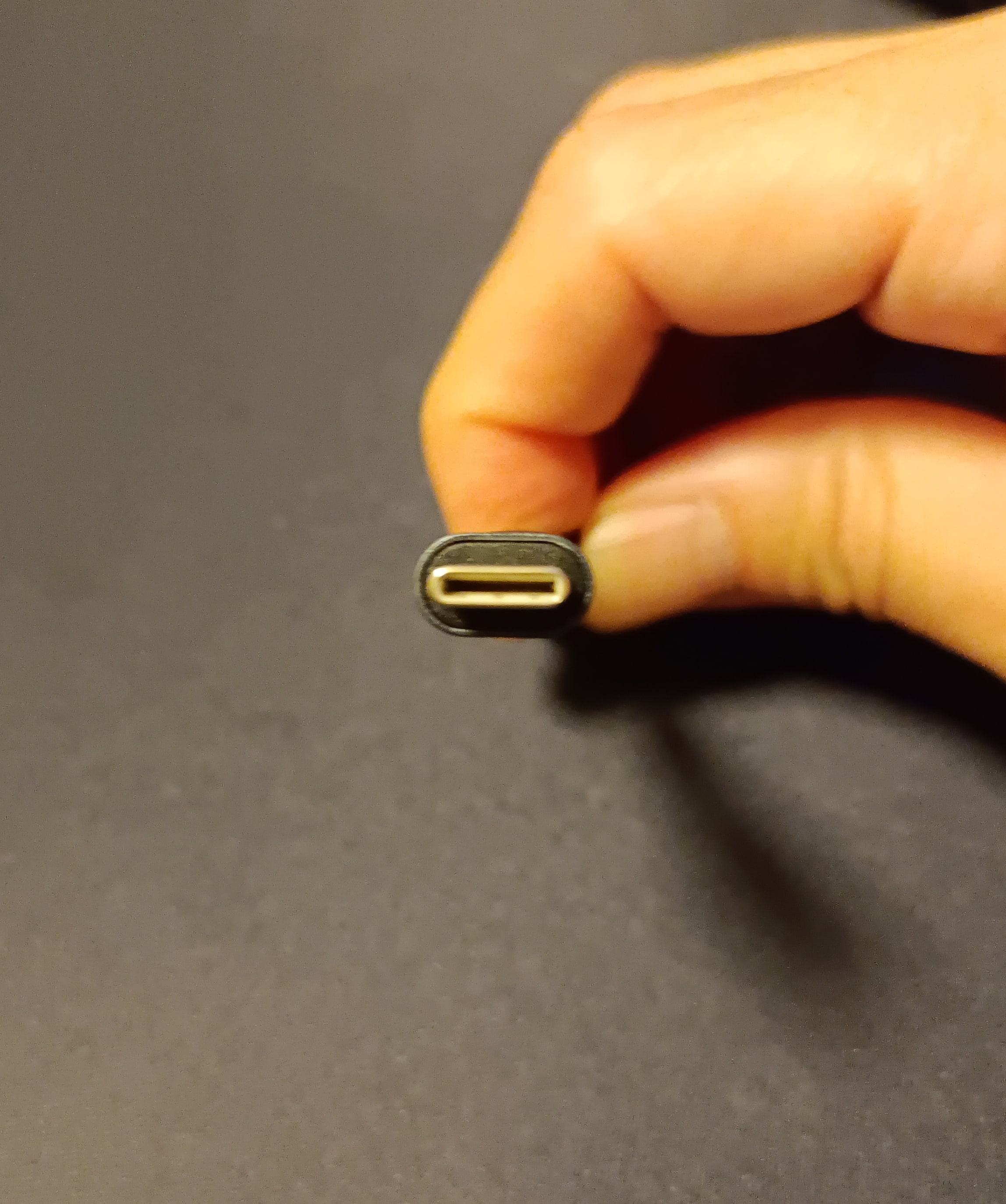
USB-C is a standard for the shape of the connector used for USB connections, and has no relation to USB 3.0 or USB 2.0.
The shape looks like this.
USB 3.0 is a data transfer standard, and just because a cable is USB-C does not mean that it can charge at lightning speeds.In fact, there are many cables that have a USB-C connector but have slow charging speeds and use the USB 2.0 data transfer standard
And so, after choosing this kind of cable, many people give it a 1-star rating in their reviews, complaining that data transfer is slow.
And rightly so. The description of such cables usually clearly states that it's USB-C and USB 2.0.
Key points for sorting cables
Connector Shape
With the introduction of USB-C, the number of connector shape patterns has increased, so there may be cases where you need to carefully check the connectors on both ends
USB-C and USB-A patterns
I think this is the most common pattern.
When using it with a smartphone, the smartphone has USB-C, but the power supply is USB-A.
In this case, it is often usable in the same environment as before, so it is convenient to have one.
USB-C and USB-C Pattern
This pattern is not uncommon, but it is a pattern where both ends of the connector are USB-C.
Since both the charging and power supply sides are USB-C, there is no need to worry about the orientation of the cable, but since the power supply side must also be USB-C, chargers from the micro USB era will almost never work and you will need to buy a new one.
Most modern PCs come equipped with USB-C connectors, and many laptops are also capable of charging, so if yours is compatible, you could make the full switch
Data Transfer Speed
This is also important,
but since USB cables are rarely used for data transfer these days, you may not need to worry about it too much.
charging speed
This is very important,
so I'll explain it in more detail in the next section.
Slow charging issue
It's been a while since USB-C cables started to become popular, so I have a lot of them, but some cables have slow charging speeds, while others are fast.
Also, slow charging isn't just a problem with the cable; the charger that supplies the power also needs to be able to deliver high power.
If your charger and cable are compatible with fast charging on recent smartphones, some models will display a message on the lock screen or status bar saying that fast charging is in progress, making this an easy way to check
However, this does not allow for an accurate understanding of the cable's performance, which leaves some feeling unsatisfied (is it just me?).
This is where an item that measures the electrical conductivity of USB cables comes in.
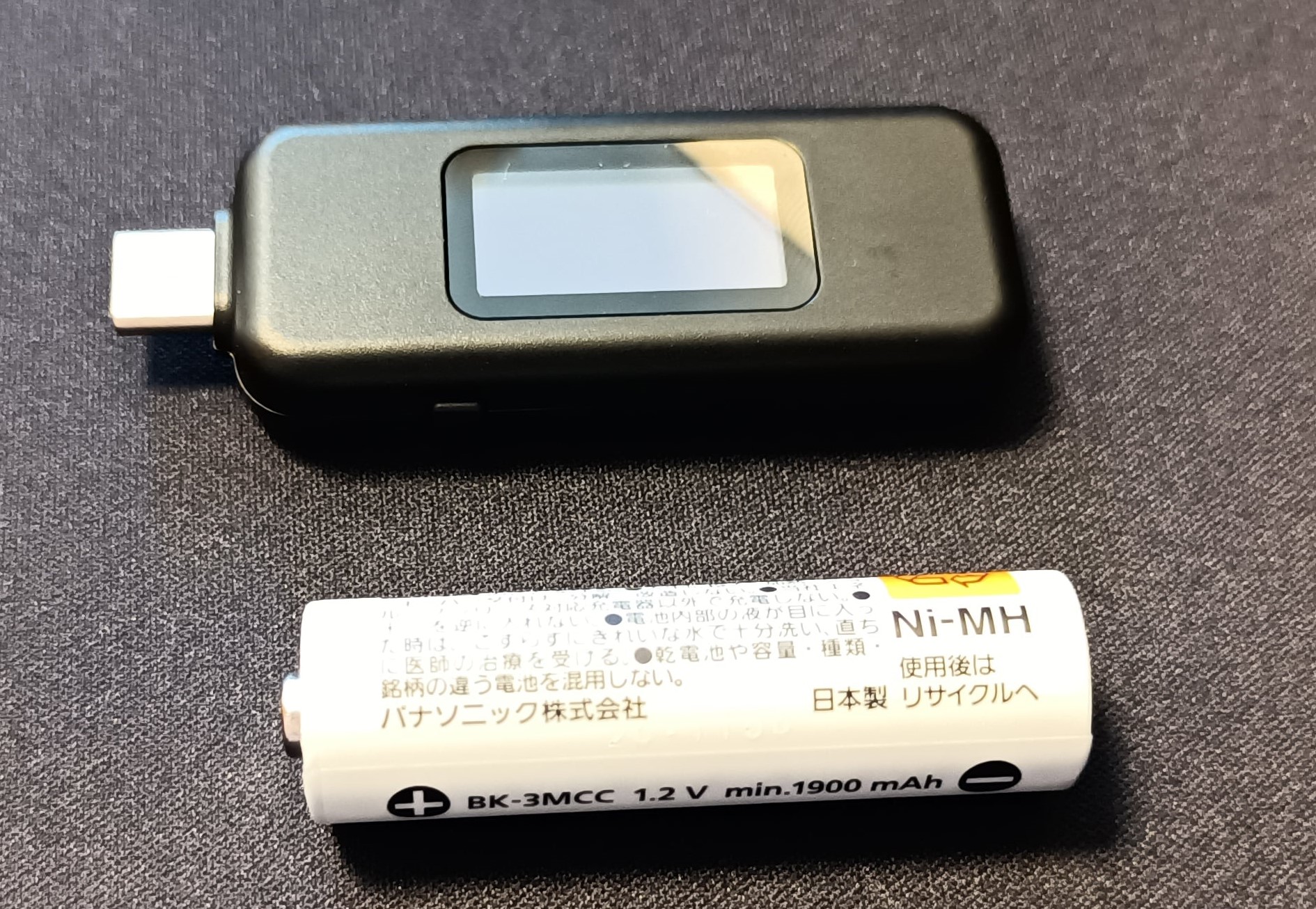
This tester, which is roughly the same size as an AA battery, allows you to see the voltage, current, and amount of power consumed during charging at a glance, allowing you to accurately determine the performance of the cable (or charger)
Sorting the cables
Gather all the USB-C cables in your room and run them through the tester
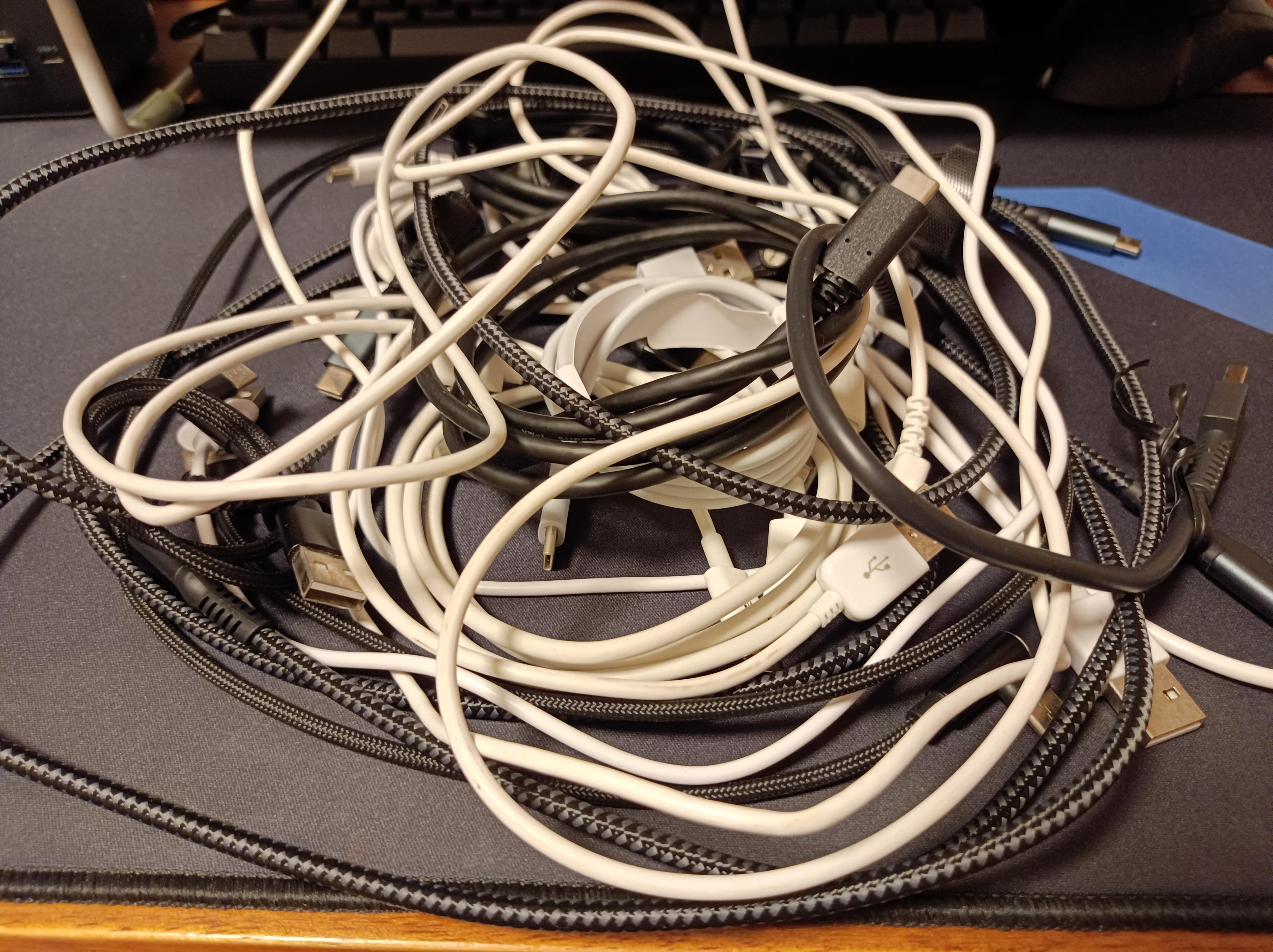
You can easily see the performance by plugging the cable into this tester and charging it, so try charging a device that requires as much power as possible (a laptop would be better).
If you don't have one, it's a good idea to use the level at which your smartphone can be fast-charged as a guide.
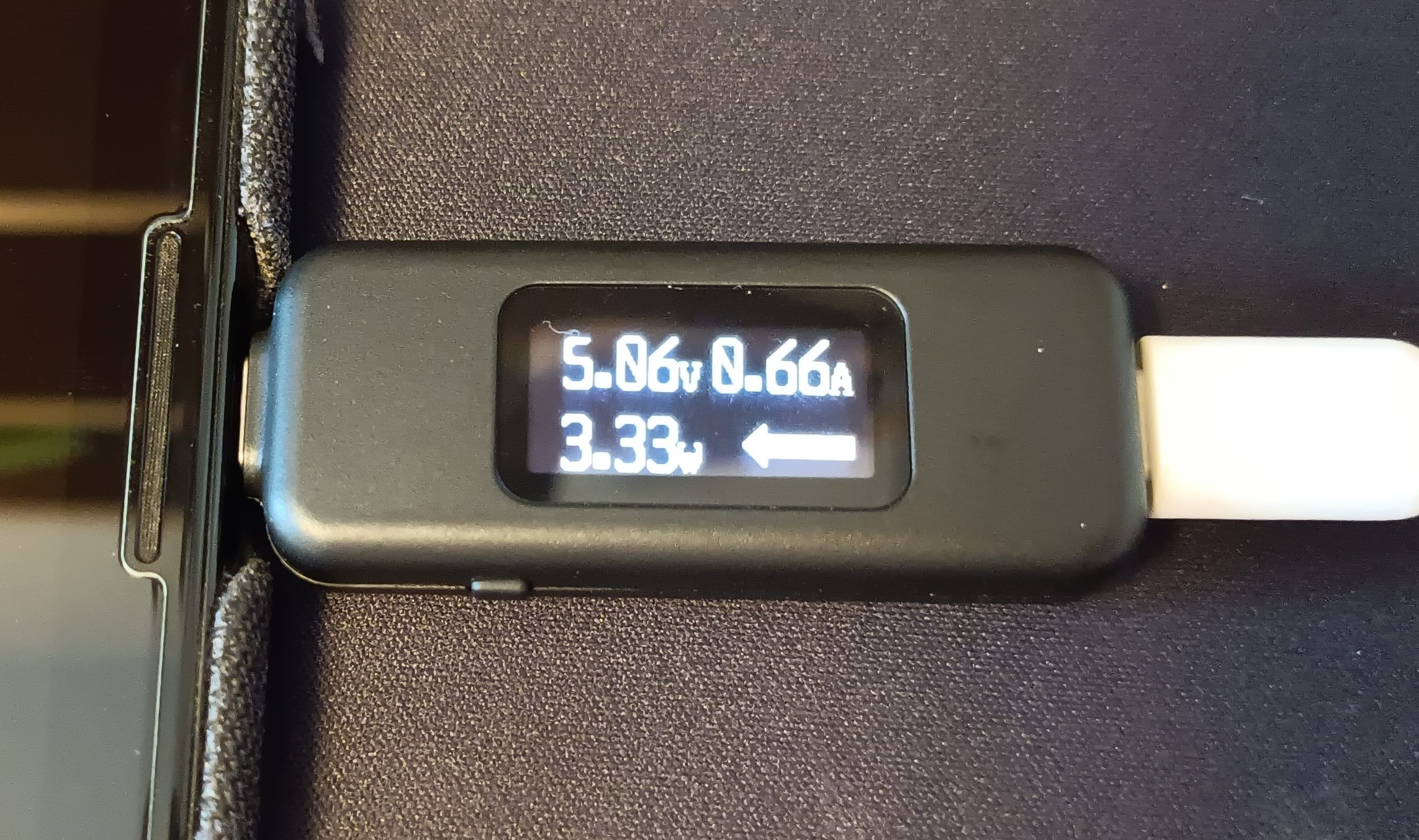
There's no point in using it for charging anymore
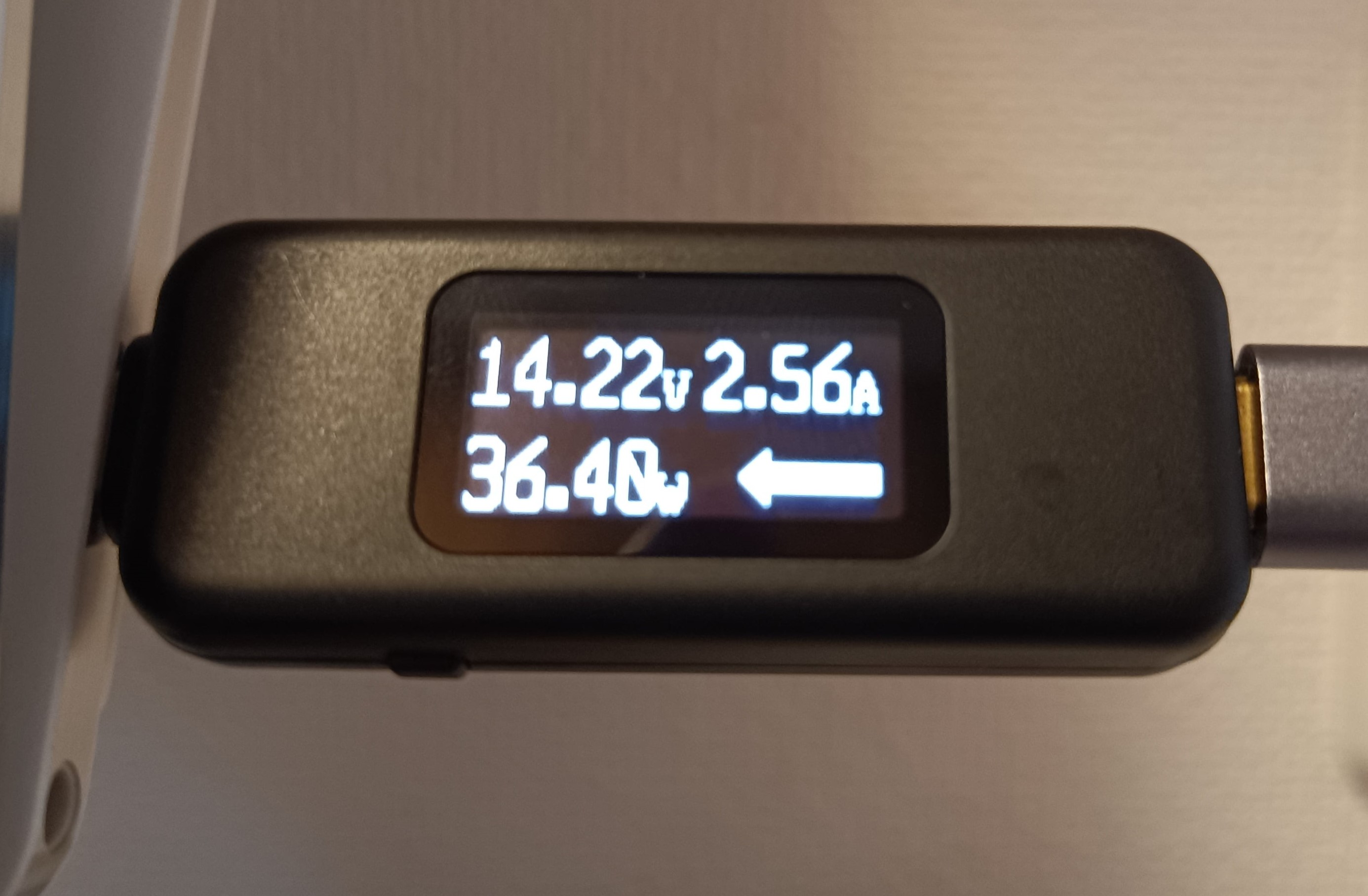
I think it's a passing grade
So, I had fun measuring and sorting the cables
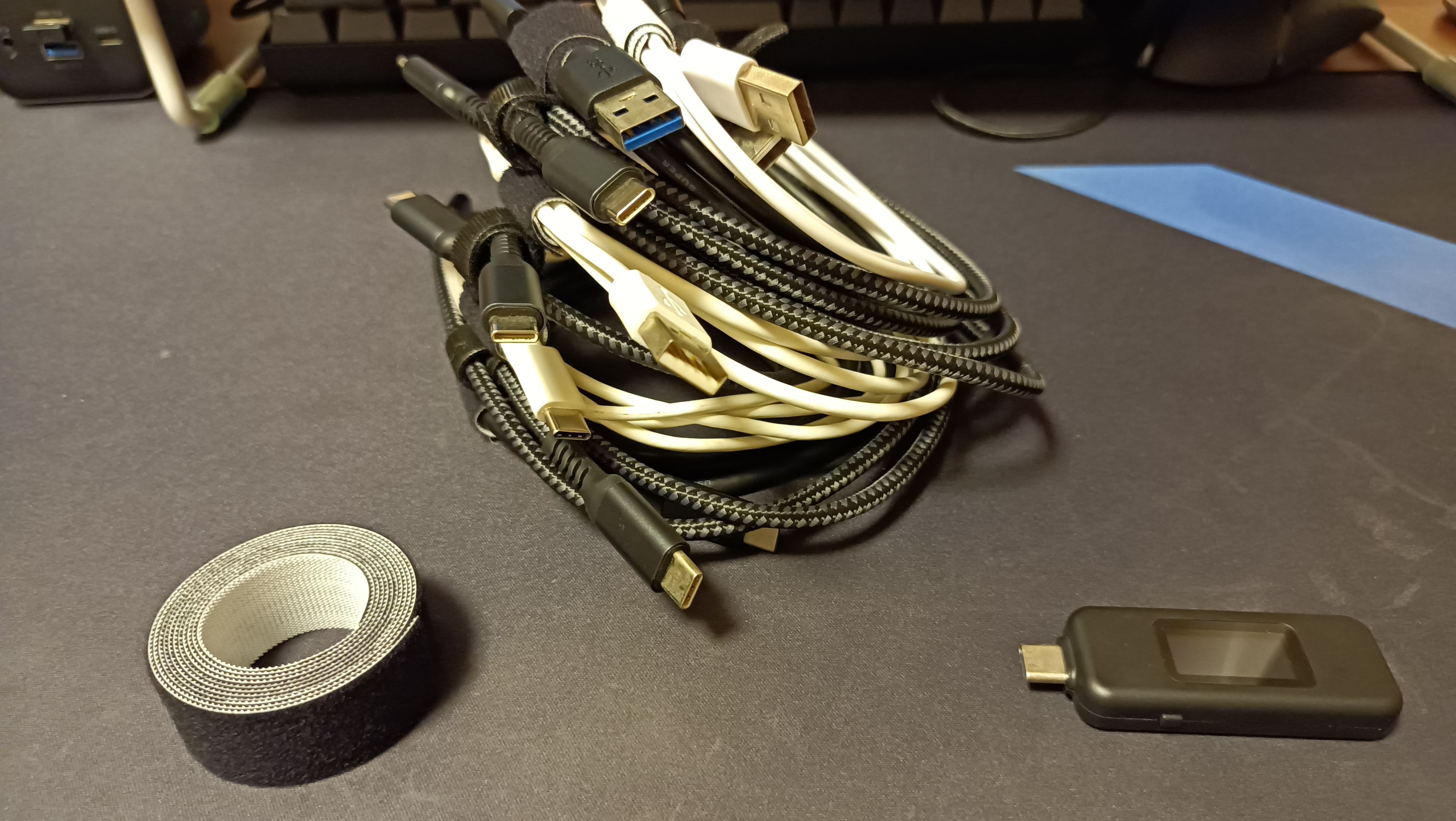
In my case, I had quite a few cables that carried a fairly high amount of power.
I thought that using such cables would only cause stress, so I discarded the low-performance cables altogether.
As an aside, I also had a ton of micro USB cables, so I threw those away too. There were cables of various lengths, so I separated them into short, medium, and long ones, and kept only one or two.
Also, the reason I wrapped them in Velcro was purely for the sake of photography, and I don't usually do that.
There are many more types of devices that support fast charging
The USB charging standard is called USB Power Delivery (hereafter referred to as USB-PD).
Cables remaining after cable sorting can be assumed to be compatible with USB-PD, but there are several versions of USB-PD...
Personally, I think it's best to look at the supported wattage (W) rather than memorizing the standards.
In my case, my laptop supports 45W charging, so a USB-PD cable that supports 60W should be fine. My
smartphone supports 18W fast charging, so to stay at home, it needs to be able to supply at least 18W.
To make things a little more complicated, USB-PD is not related to data transfer standards such as USB 3.0.
There are also USB 2.0 cables that are compatible with USB-PD (such as the USB-C to USB-C cable from a certain XX BASIC company, which charges quickly but transfers data slowly).
However, the latest USB-PD standard stipulates that the connector shape for USB-PD will be USB-C, so if you are looking for a cable that is compatible with USB-PD, you will need to start by looking for a USB-C cable
summary
We've put together a guide on how to choose a USB cable that will charge quickly, but in order to do so, you'll need to know about a few USB standards
- Connector shape standards and data transfer standards are different things
- If you want to charge at high speed, it is safe to have the USB-PD label
- If you want to use it for more than just charging, pay attention to the data transfer standard
As of September 2021, the two most common high-power models are 60W and 100W.
Choosing one from these ranges is likely to last you a while.
Although we didn't mention it in the main text, one surefire way is to choose a Thunderbolt 4 cable.
Thunderbolt 4 is the latest USB standard, USB4, which only the most highly specced cables can claim to be, so it's guaranteed to have fast charging speeds and fast data transfer speeds. However
, it's also more expensive, but you'll want to take good care of it because it will last you a long time.
All that's left to do is choose your preferred cable surface material and terminal shape (it's convenient to have one L-shaped one), and enjoy a comfortable charging experience
lastly
I am a member of the system development service site "SEKARAKU Lab."
Beyond offers a one-stop service for everything from server design and construction to operation, so if you have any problems with server-side development, please feel free to contact us.
SEKARAKU Lab: [https://sekarakulab.beyondjapan.com/](https://sekarakulab.beyondjapan.com/)
That's all
 1
1 Loading...1



The person who wrote this article
About the author