
Looking back at the Orix Buffaloes' battles in the 2020 "eBASEBALL Pro League"
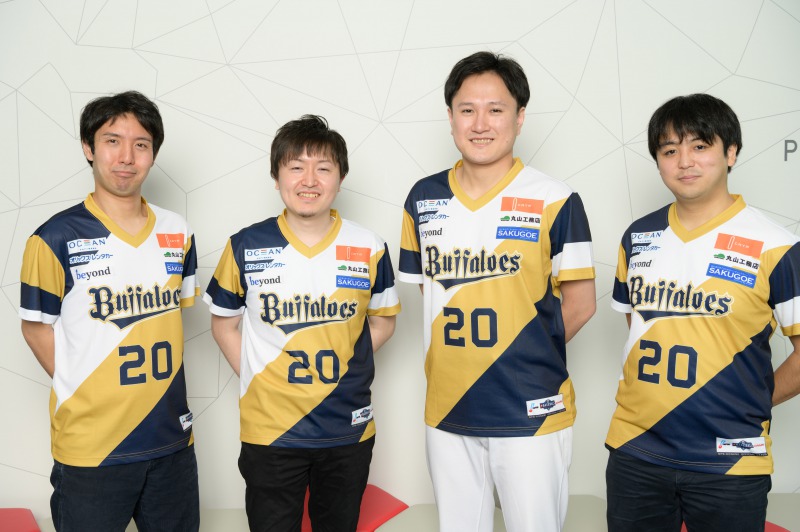
table of contents
Hello, I'm Fujisawa, a public relations and recruitment officer who dyed my hair purple because I was influenced by K-POP
is the second interview article with the Orix Buffaloes, a team in the eBASEBALL Pro League that we sponsor
Click here for the previous article
This season, the postseason was postponed due to the impact of COVID-19, but the eJapan Series was successfully completed and the 2020 season of the eBASEBALL Pro League came to a close
The Orix Buffaloes finished second in the Pacific League, and we looked back on their impressive 2020 season. We spoke to four players about their unusually pre-recorded game broadcasts and their outlook for the future!
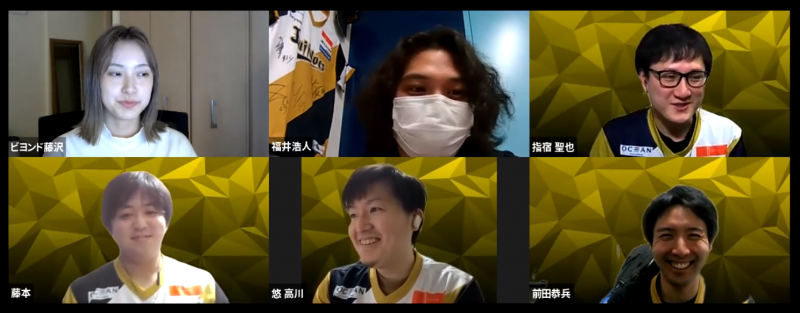
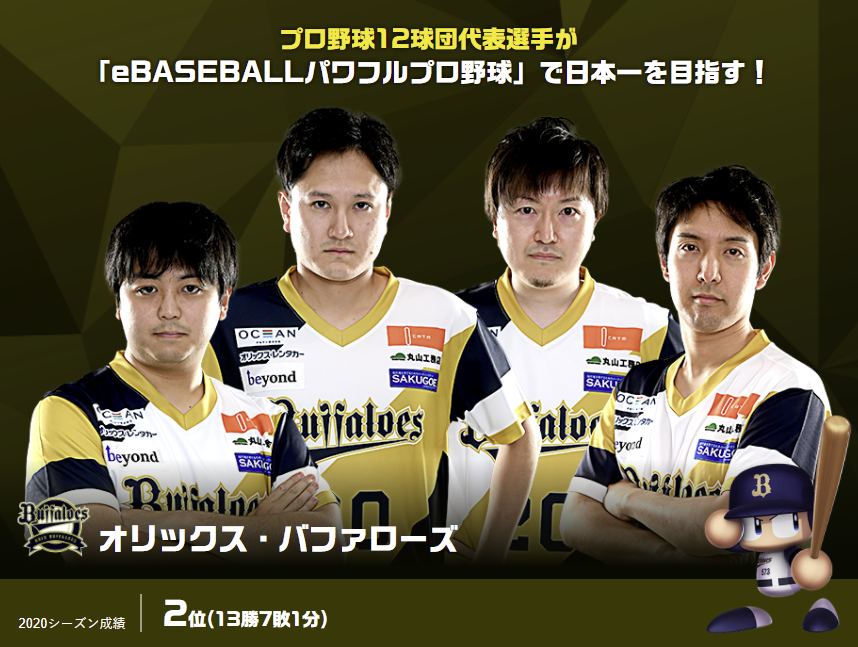
Orix Buffaloes: Seiya Ibusuki, Yu Takagawa, Yosuke Fujimoto, Kyohei Maeda
self-introduction
-First of all, please tell us about your background and how you became professionals
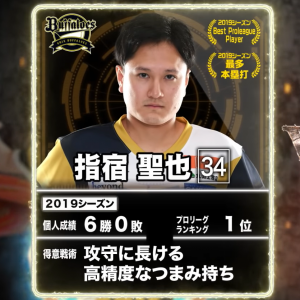
Ibusuki: My name is Seiya Ibusuki. I started playing the game seriously after participating in a Power Pro tournament in 2016. A professional league was launched with tournaments being held every year, and since I hadn't had very good results up until then, I wanted to become a professional and become number one, so I decided to participate. I've been buying Power Pro every year for a long time, and I think it was in 2016 that I started to pay attention to the competition. I think I first played the PlayStation version. Around that time, I also started playing real baseball and learned the rules.
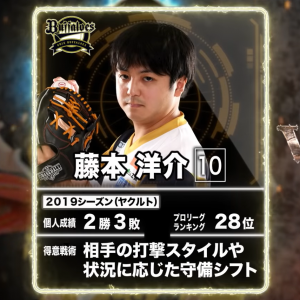
Fujimoto: My name is Yosuke Fujimoto. I'm 25 years old now. I became a professional player in 2018, when I started participating in the qualifiers and commentating on games. I decided I wanted to play as a player myself, so I increased the amount of practice I did. After that, I represented the Tokyo Yakult Swallows in the 2019 season, and the Orix Buffaloes in the 2020 season. There are quite a few commentators who have gone on to become professional players, but conversely, there are also former professional players who unfortunately missed out on the draft or qualifiers and turned to commentating instead.
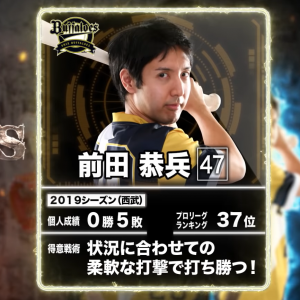
Maeda: My name is Kyohei Maeda. I've been playing Power Pro since I was in fifth grade, and in junior high I thought I was the best player in the world (laughs). At the time, there was a national tournament, but you had to win a lottery to participate, and being a teenager meant I couldn't attend due to location issues. I participated in the national tournament held in 2016 and lost in the first round that year, but won the national tournament the following year in 2017. Since 2018, I've been participating in the professional league. When I played Power Pro with my friends in junior high, I felt like I was way ahead of them, so I'd look out the window in my classroom and think, "If there was a national tournament, I could definitely win!" (laughs). I'm happy that I was able to realize what I'd wanted back then as an adult.
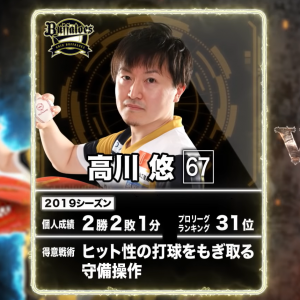
Takakawa: My name is Yu Takakawa. I've been playing Power Pro since I was a child, playing with my brothers and such, but I stopped playing it as much as I did when I started playing baseball seriously in middle and high school. When I became an adult, my older brother became a professional Power Pro player, and while I supported him, I thought I might try playing as well, and as I played online matches, I started to think about becoming a pro.
-By the way, did Fujimoto and Maeda play baseball in real life?
Fujimoto: I played soccer all the way through junior high school. In junior high, I got hooked on watching baseball, and in high school I did gymnastics, but even then I loved professional baseball and would go to Jingu Stadium to watch Yakult games. I thought it was about time I tried playing baseball, so I joined the baseball club in college. At first, a friend lent me a copy of Power Pro, and I started learning the names of professional baseball players, so it was Power Pro that got me started on baseball.
Maeda: I didn't know anything about the rules of baseball, and I wasn't particularly interested in it, but when I was in sixth grade, there was a page introducing games at the beginning of CoroCoro Comic, and Power Pro was often featured there, so I really wanted to try it. I learned the rules of baseball from Power Pro, and then I tried playing softball and joined a friend's amateur baseball team, but there was no time when I was really serious about playing baseball.
A look back at the 2020 eBASEBALL Pro League season
-Have you changed anything from the 2019 season in preparation for this season's games?
Ibusuki: Personally, I thought I wouldn't change the way I play. In the 2019 season, I had a good record of 6 wins and 0 losses, so I basically thought I'd keep the same approach to practice and pre-match preparation. However, I did reflect on the fact that I should have changed the way I communicate with my teammates, so in the 2020 season, I made time to actively talk with them, analyzing our opponents and discussing what we should have done better in the previous game.
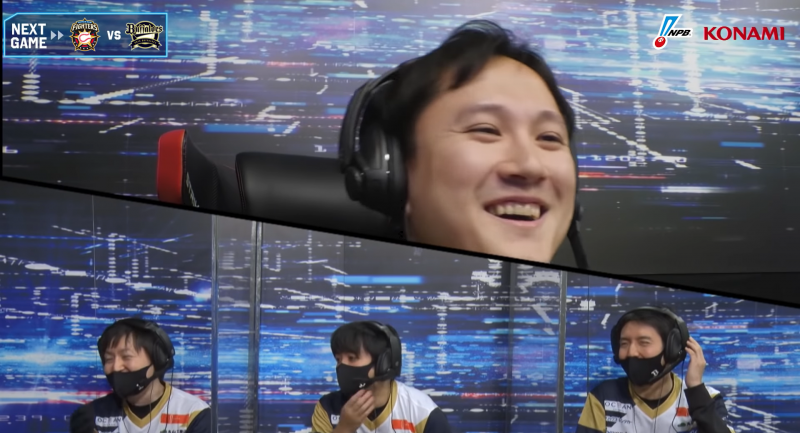
Fujimoto: The 2020 season was my second year, so I wanted to have an advantage over the 2019 season, but I changed from the Tokyo Yakult Swallows to the Orix Buffaloes, which is a pretty different team, so at first I couldn't do as I wanted. So I went into the game with the intention of increasing my tactical options. I was able to use tactics that suited the game during the actual game, so I think it was good that I was prepared.
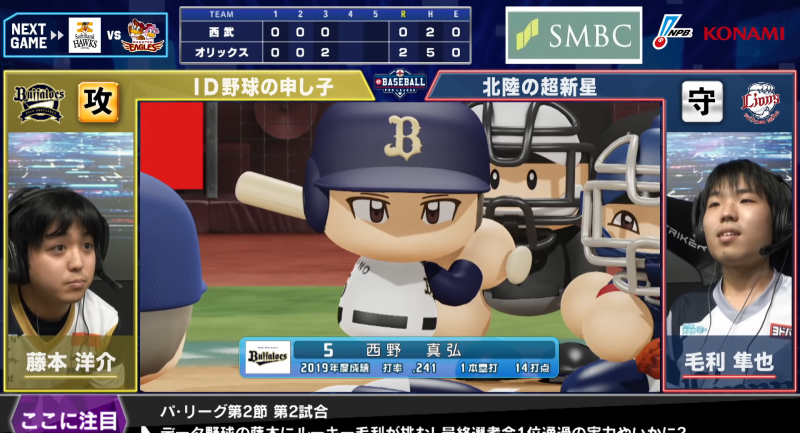
How do you think about tactical options?
Fujimoto: It's basically a baseball game, so when I watch professional baseball games I find myself thinking things like, "There's a strategy like this," or "It would be good to hit the ball in this direction in this situation," so my experience outside of playing Power Pro comes in handy. There are a lot of differences between professional baseball and Power Pro, but the tactical options are basically similar, so I think I've been influenced quite a bit.
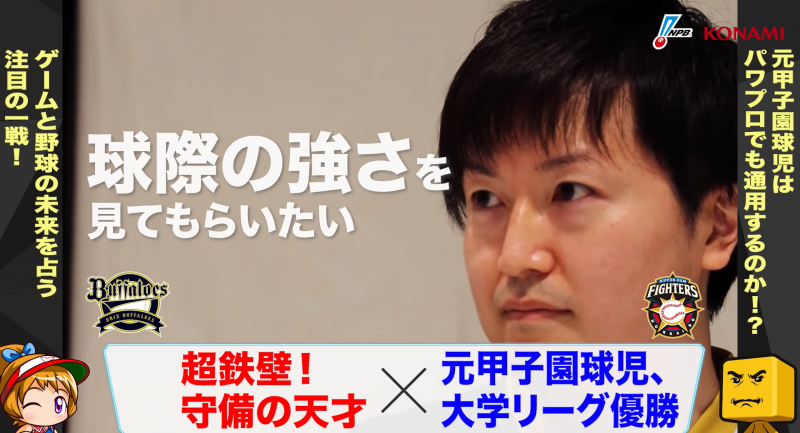
Takakawa: The 2019 season was my first time going pro, and when I got there I felt like my skills weren't up to par with the others, so I just went at it like a pig, doing whatever came my way. But in the 2020 season, I felt like I had more time to relax, and instead of trying to make amazing plays or show off my strengths, I thought about what I needed to do to win. I was able to prepare with a sense of ease, thinking about how to counter my opponents and what I was lacking.
- Takakawa-san, you wrote that your specialty is "defensive maneuvers to snatch balls that are likely to be hit," but your batting has also been amazing this season, hasn't it?
Takakawa: In the 2019 season, I had a desire to show off my batting skills, but I wasn't at the level where I was good enough, so I couldn't hit at all. We lost the first game, but there were a couple of great plays using Goto Shunta, and from the second game onwards, an introductory video was used that showed, "This guy's great at great plays," so I think that impression became the catchphrase for this season.
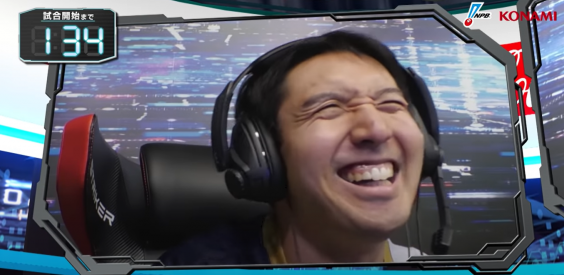
Maeda: In my case, I've been practicing very hard, and as a result, I've spent the last two years switching between practice and the actual competition very drastically. So, when I entered my third year, I thought, "I can't keep doing things the same way as before." But even during practice, I didn't feel inferior to the other players, so instead of just practicing, I started reading books about mental health, making some changes to my lifestyle, and changing my approach to the matches, and these things have all been beneficial. This season has made me keenly aware that staying in shape is important, even in the world of esports.
How specifically did you change your approach?
Maeda: In my daily life, I usually work, so when I get home I do household chores and then practice Power Pro until late at night, even cutting down on my sleep time so I can practice Power Pro. That's how I've always lived my life. Starting with the 2020 season, I've stopped doing that and started going to bed at a set time, exercising a little, and making other changes to my daily life outside of the game. The biggest thing was that I used to be nervous up until the day before the game, but now I try not to feel pressure and stay calm, and I've been able to maintain that level of excitement all the way to the game.
-It's also important to keep yourself in good condition in your daily life
Maeda: I'm 34 years old and the oldest active professional player. Compared to other players in their 20s, my physical strength and reflexes are a little weaker, and when I feel tired my play suffers. To prevent this, I focused on getting enough sleep and keeping in good condition.
-Have there been any impacts due to the COVID-19 pandemic and the postponement of the e-Climax Series?
Ibusuki: Personally, the good thing was that I wasn't in very good shape this season, so it was great to have the time to fix that. Also, if it hadn't been postponed, the e-Climax Series was originally going to be pre-recorded, but there was a gap and it was streamed live, so I think that was a good thing, as it increased motivation and people could watch it directly. Personally, I don't think there were any bad points. It's not really a good thing, but the interruption in the middle was a good preparation period.
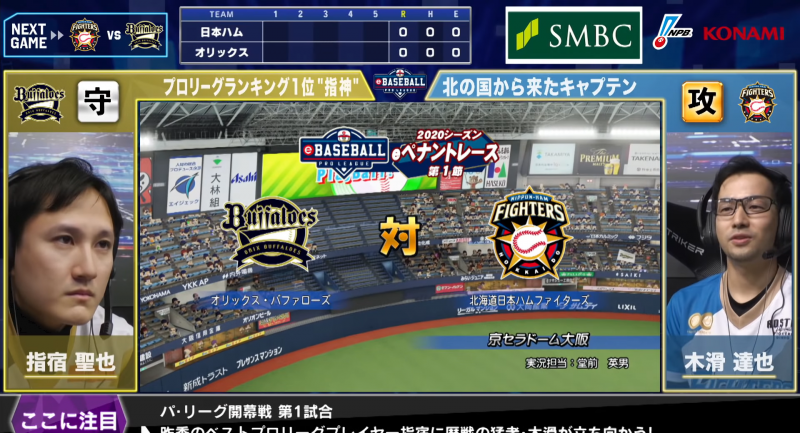
- I think you were probably being marked by other players, did that have any impact on you?
Ibusuki: Ah, at the start of the season, Hokkaido Nippon-Ham Fighters' Kiname said something like, "He's been watching me and studying me for a year" (laughs), and I thought that's what the 2020 season was like, but in that sense, I think not changing our tactics from the 2019 season is something we should have done better. Because we didn't change them, we got stuck in that style, and Power Pro is updated every year, so we should have been more flexible in our preparations.
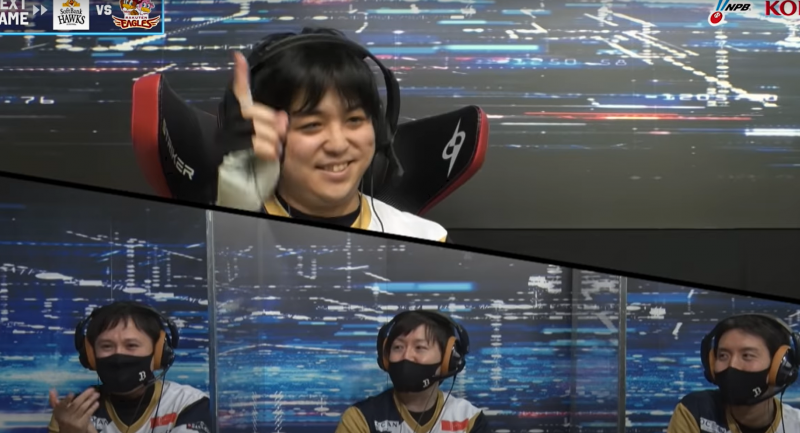
Fujimoto: It's difficult to come up with new tactics or strategies in just a week or two, but we had two months and the opposing team was already decided, so we were able to try out a variety of different strategies. In particular, my pitching style changed, with the proportion of fastballs significantly reduced and more curveballs thrown. My own strategy also changed, so I think that was a good thing.
What are your future prospects?
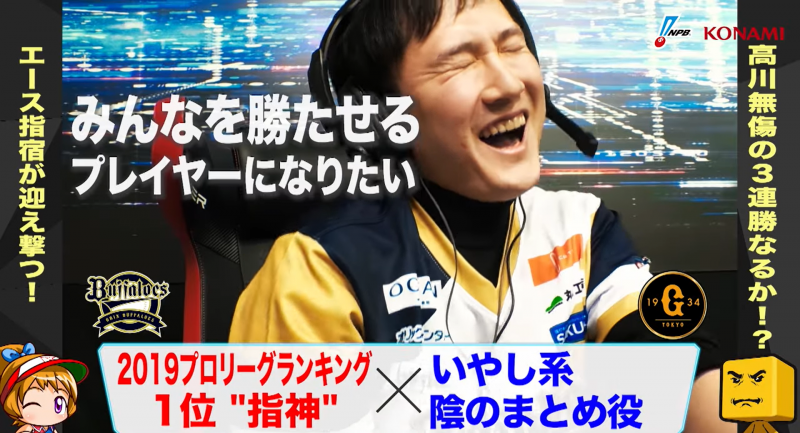
-Finally, please tell us your future prospects
Ibusuki: Of course, due to the COVID-19 pandemic, there were some changes to the event this time, such as pre-recording, but I think it would be best to have an audience in attendance and watch the matches live. Also, the first tournament in 2016 was fun because you could fight against people you didn't know, so I think it would be fun to have a tournament that even non-professionals can enjoy, and conversely, it would be fun for professionals to have a one-shot tournament or a stage to challenge themselves.
-Do you think the players get more excited when it's streamed live rather than pre-recorded?
Ibusuki: Yes, I think it's probably a bit of both. I think some people would rather not watch live streams because they get nervous with an audience, but after listening to a lot of people's stories, it's easier for us to get the message out that "The game is starting now. Please cheer us on!" when people are cheering in real time, so I personally prefer live streams. With live streams, there are proper spectator seats, and up until the 2019 season, I had the opportunity to shake hands with the fans who actually came to the game after the game, hand them player cards, and talk to them. It was really nice to hear them say things like "Do your best" at those times, so I think it also helped to increase my motivation.
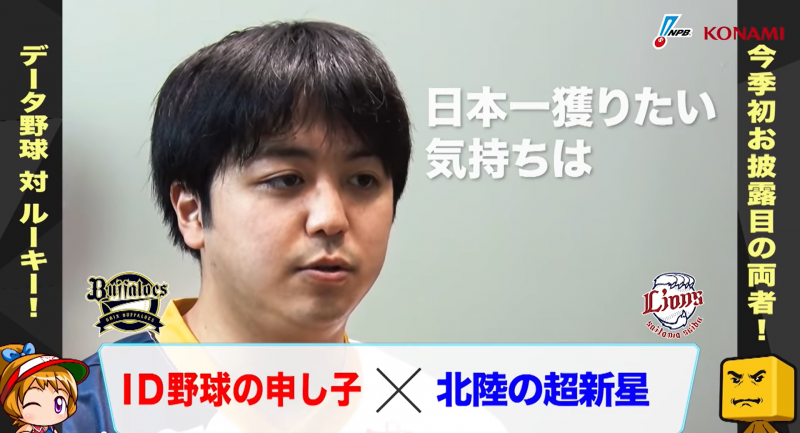
Fujimoto: The term esports is trending, but I think the eBASEBALL Pro League still doesn't have many fans, considering it carries the name of a professional baseball team. We have sponsors like Beyond, which is something you don't often get in regular esports, and quite a few people support us because they're fans of the real professional baseball team, the Orix Buffaloes, but on the other hand, there are people who aren't interested at all or who don't like the use of a team's name in a game, so I'd like as many professional baseball fans as possible to watch the game.
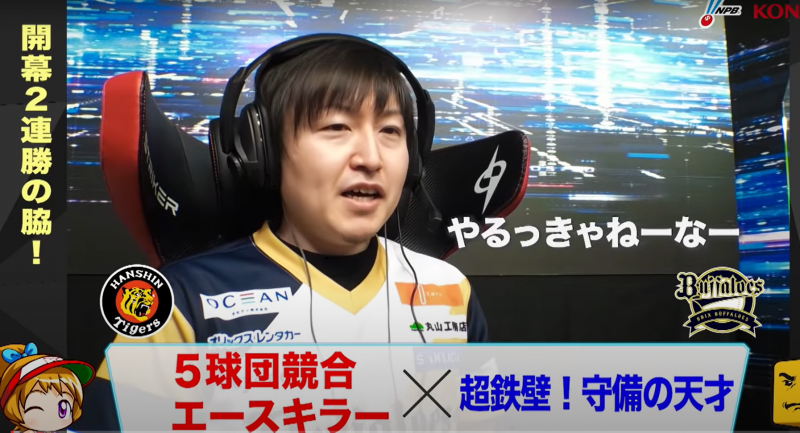
Takakawa: I'm interested in how strong I can become in terms of playing Power Pro, so I'll keep practicing and hope that eventually people will say, "That guy is the strongest player." There's a long off-season, so I'd like to keep posting on social media and through live streaming so that people will pay attention to me during that time.
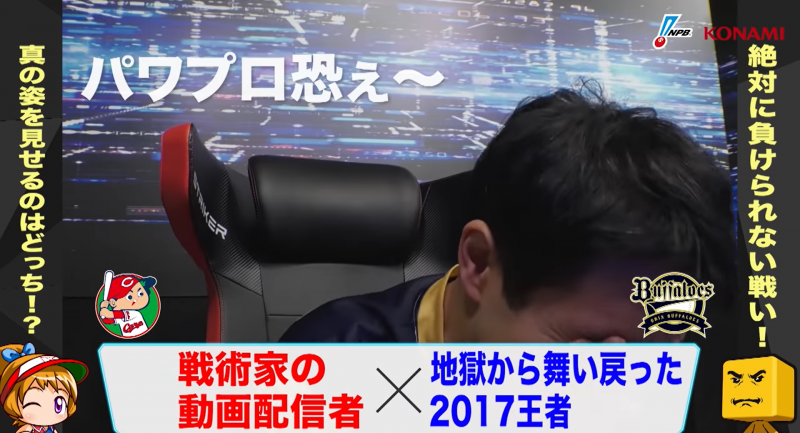
Maeda: I'm a fairly old player, so every year I often think about how far I can go, but I don't really like being told what to do because of my age. I think that the fact that I can compete with younger players no matter what age I am will serve as motivation for those aiming to enter the professional league in the future. In the past, I just played because I wanted to win, but in the last year or two, I've been thinking not just about myself, but also about being at the forefront as a guide for the younger players who follow me. I think I've reached the age where I start thinking about these things, but I want to continue playing for as long as possible, leave the rest to the younger players, and smile as I watch them do their thing. I want to continue being that kind of person.
-Do you really use a lot of physical strength when practicing?
Maeda: In the past, it was normal to work until 2am, wake up at 6am and go back to work, but since the 2020 season, it's hard to play games after midnight, and it's hard to stay awake either. It can be tough to sit and stare at a game screen late at night, but I think that's an unavoidable path for everyone. If you're a professional, it's important to see how much you can practice under those circumstances, and unlike real sports, I think eSports has a wider range of ages, which I think makes it interesting.
Conclusion
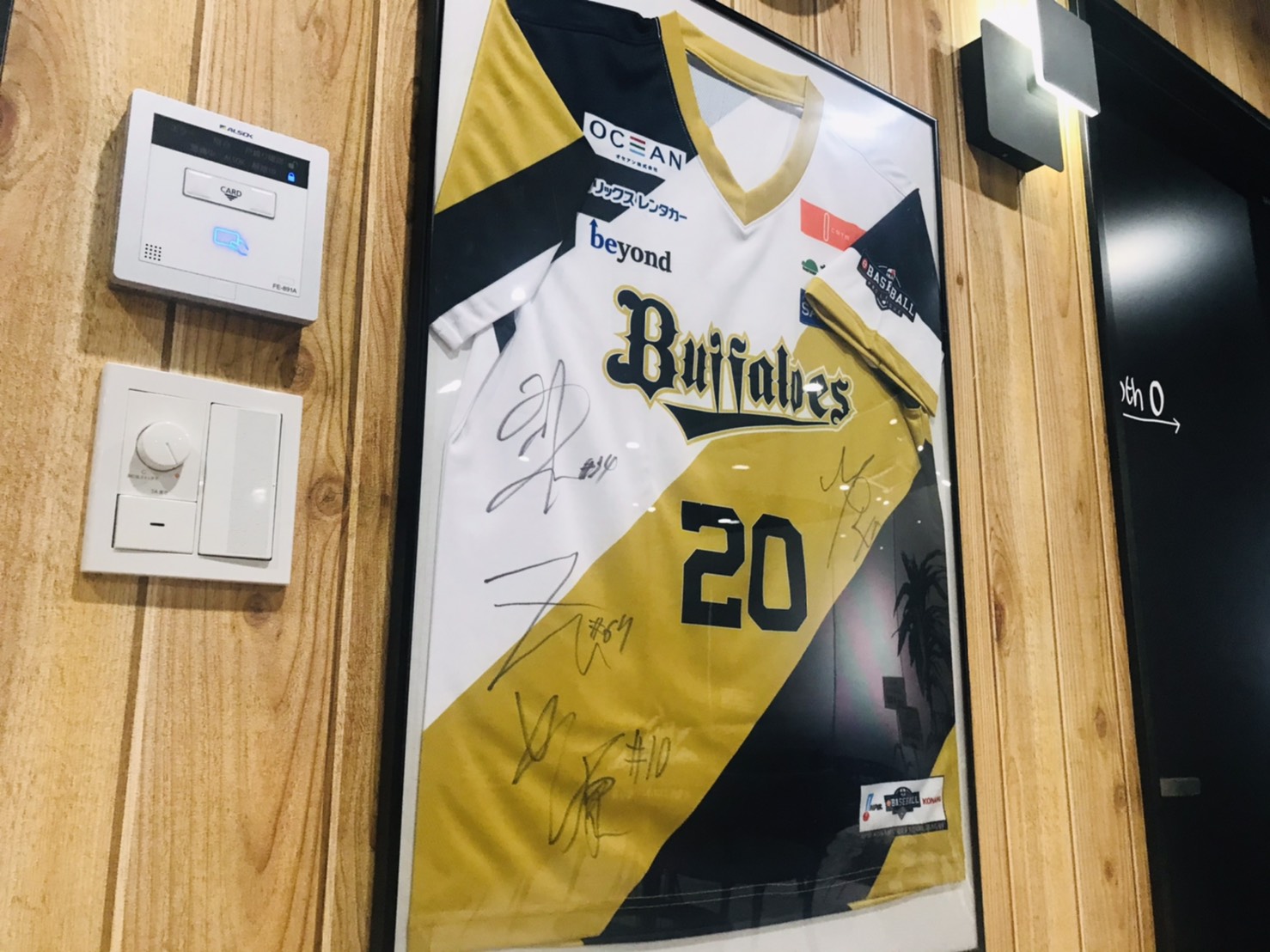
I was attracted to the idea that age doesn't matter in e-sports, and I also felt the depth of the game in the fact that, just like regular sports, condition is important in e-sports
To continue playing Power Pro as a professional, team communication and tactical analysis are necessary; simply being strong is not enough. If there is more communication and interaction on social media to increase the number of fans of the eBASEBALL Pro League, I think the entire esports industry will become more exciting
Since the 2020 season's games were streamed online, we were unable to interact with the audience or experience the excitement of the venue in person, but Beyond would like to work with us to find ways for players and fans to enjoy the games together, such as watching on YouTube or interacting on Twitter
By the way, when we were discussing within the marketing team whether we could do something for Beyond during the off-season, "what if four members of the Orix Buffaloes and Beyond engineers played against each other in a real baseball game?" If we get permission, we'd like to rent a baseball stadium and try it out (laughs).
This concludes our second interview with the Orix Buffaloes!
© ORIX BUFFALOES
© NPB
© Konami Digital Entertainment
 0
0 Loading...0



The person who wrote this article
About the author