Summary of the first phase of "KANSAI AI BOOTCAMP," a joint project by three IT companies in the Kansai region
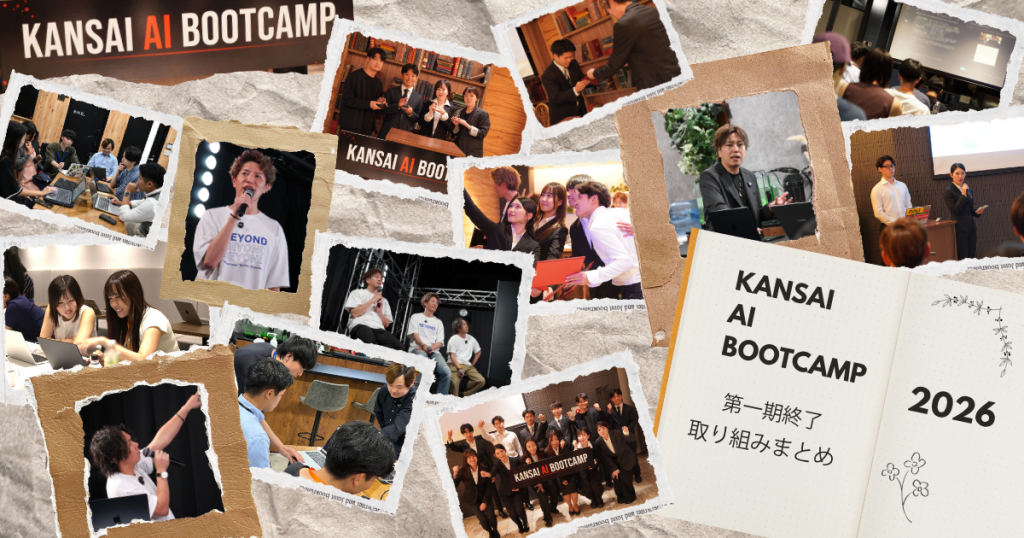
Hello! This is Komatsu from Public Relations
In April of this year, a joint project by three IT companies in the Kansai region was launched : "KANSAI AI BOOTCAMP (KAIB)," an AI talent development project for liberal arts university students
On Friday, October 23rd, the first cohort held a "DEMO DAY" where they presented the results of their three months of work, marking the end of their first cohort's activities. We will now share details about their work up to October, including information that could not be included in the press release
What is “KANSAI AI BOOTCAMP (KAIB)”?

KANSAI AI BOOTCAMP is a talent development project jointly launched by three Kansai-based IT companies : Beyond Inc. , Actobi Inc. , and Scene Live Inc. With the theme of "Liberal Arts Students × AI," it aims to provide liberal arts students with opportunities to learn engineering skills and AI applications, thereby expanding their career possibilities.
The image of "programming = something for science and engineering students" has changed dramatically thanks to generative AI, and we've entered an era where anyone can write programs without specialized knowledge, to the point where the term "vibe coding" has been coined. As AI becomes more widespread,the value created in business willshift towards human-to-human communication, and we believe that the thinking skills, creativity, and communication abilities of liberal arts students can be even more effectively utilized by combining them with AI."So, let's create a space for liberal arts students!"That's how this project began.
Initiatives
Before starting the actual lectures, in order to pique their interest in AI, we held a preliminary event in June 2026 called "Humanities AI Night: AI Career Strategies for Humanities Students."
▼ Click here for the event report .
[Event Report] KANSAI AI BOOTCAMP Launches! First Event Held
From among the students who participated in the event and expressed interest, 12 liberal arts students were selected to receive lectures. These liberal arts students, who had no prior programming experience, acquired basic knowledge through weekly lectures and assignments over approximately three months starting in August, and ultimately tackled the challenge of developing a web application
In fact, when deciding on the curriculum for these three months, the representatives from the three companies seriously considered what kind of content would be most beneficial for the students . The project's objective was ultimately to "equip students with real skills that will be useful in the real world," but there were considerable disagreements when it came to creating the curriculum. Various opinions were expressed , such as, "We should thoroughly instill the fundamentals of programming," "Students won't stick with it unless they find it fun first. Lectures that are too hardcore from the start aren't interesting," and "It would be counterproductive if students were put off just by looking at the curriculum title and thinking, 'This might be too difficult for someone like me who's a humanities major.' "
Throughout the discussions, the representatives from the three companies conveyed a strong desire to deliver something truly useful to students
In-person lectures to begin in August - A practical curriculum leveraging the strengths of three companies -
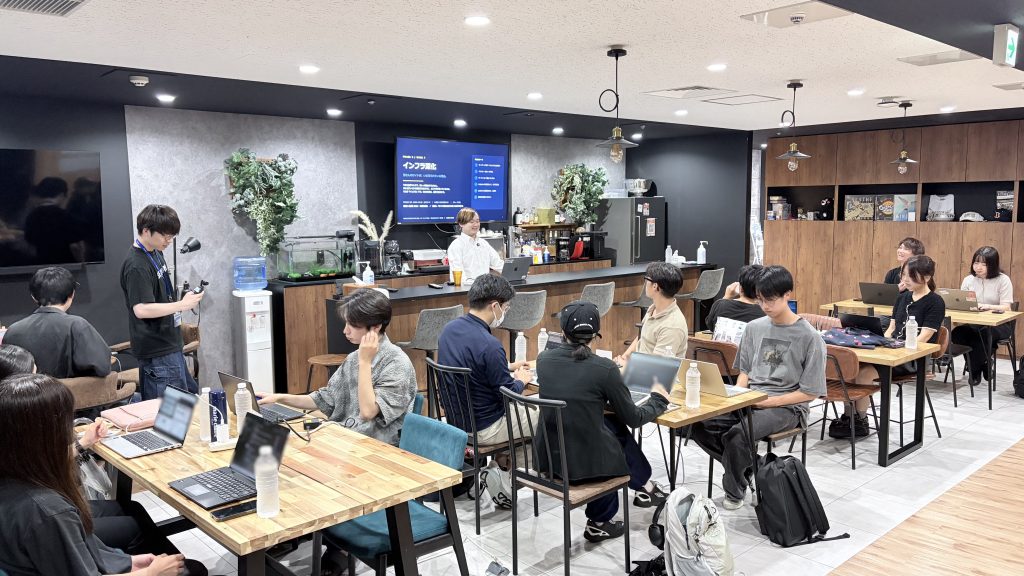
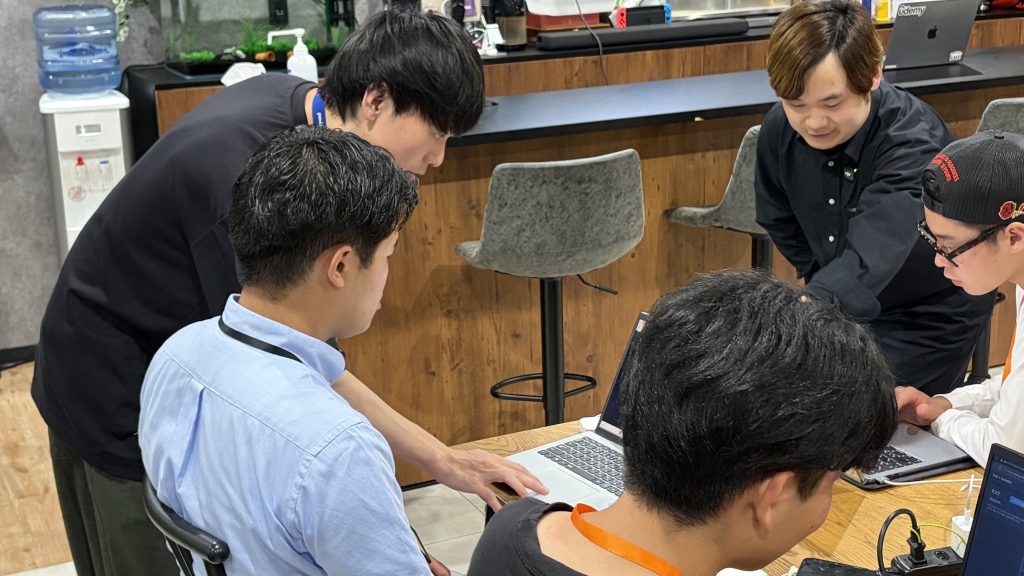
In-person lectures began in August. The lectures were conducted on a rotating basis by Scene Live, Actbi, and Beyond, with each company taking turns delivering practical lectures on a weekly basis, leveraging the strengths of the three companies to cover topics such as prompt design, requirements definition, and infrastructure knowledge necessary for app development
Beyond was in charge of the infrastructure. Mr. Teraoka and Mr. Kitada, who are also responsible for training engineers within the company, will support the students
In the first lecture, we covered "Infrastructure, Security, and Database Fundamentals," explaining the roles and security of the internal structure of web applications (browser, API, and database), and how to publish deliverables after confirming their safety. In the second lecture, we delved into the mechanisms of infrastructure operation, explaining "what happens where and where from the moment you enter a URL until the screen is displayed (the infrastructure's journey)," and the roles that servers play

Team-based web application development
The two months of learning the basics flew by, and the remaining month was dedicated to practical web application development. Each team chose one assignment from the provided options, and first, every member created an application. Then, the team's best application was selected and refined. Since all members' applications were reviewed during the judging process, it wasn't possible to leave it to just one person; everyone had to complete the application themselves
The assignments provided were as follows:
- AI can help small and medium-sized enterprises with labor shortages
- Connecting inbound tourism with local communities
- Bridging the gap between learning and job hunting
- Using AI to drive regional disaster prevention in the Kansai region
- Connecting local production and consumption in the Kansai region with AI
Teams A and B chose the same challenge: " Connecting local production and consumption in the Kansai region with AI ," while Team C chose " Connecting inbound tourism with local communities ." Each team will brainstorm ideas on what kind of app to create to solve the challenge. Team development will not be carried out solely by the students; engineers from three companies will act as mentors and support them throughout the process.
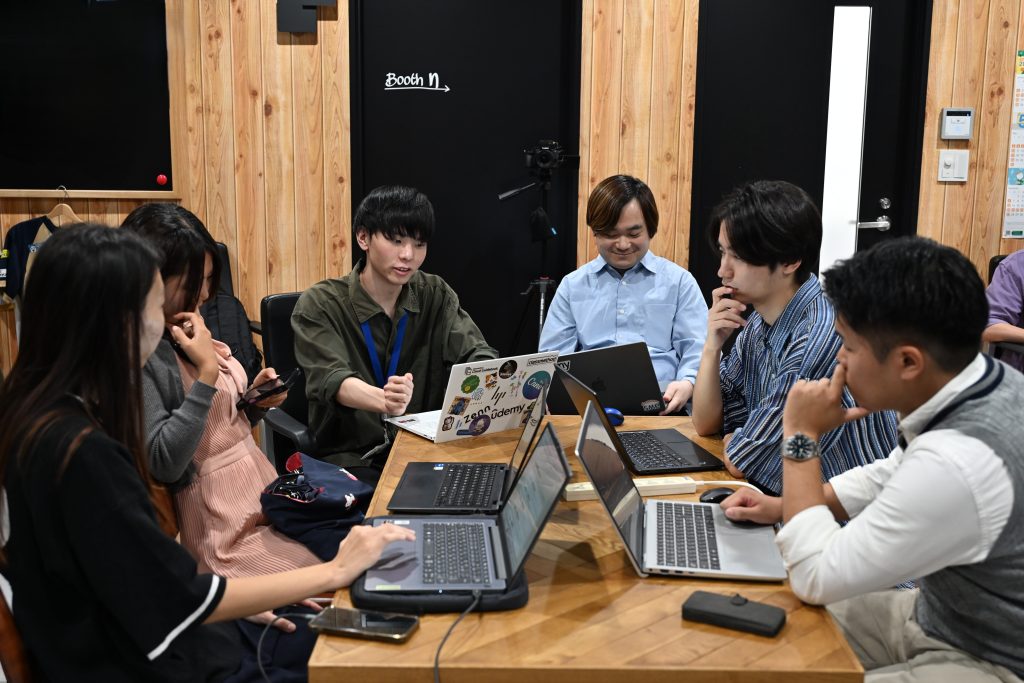
We created a development schedule as a team, discussed how to solve challenges, and each person first created an app. From those, we selected a representative work, refined it, and then moved on to preparing for the presentation. We usually held meetings online, but sometimes we would gather in person at the mentor company's office to exchange ideas and prepare for DEMO DAY
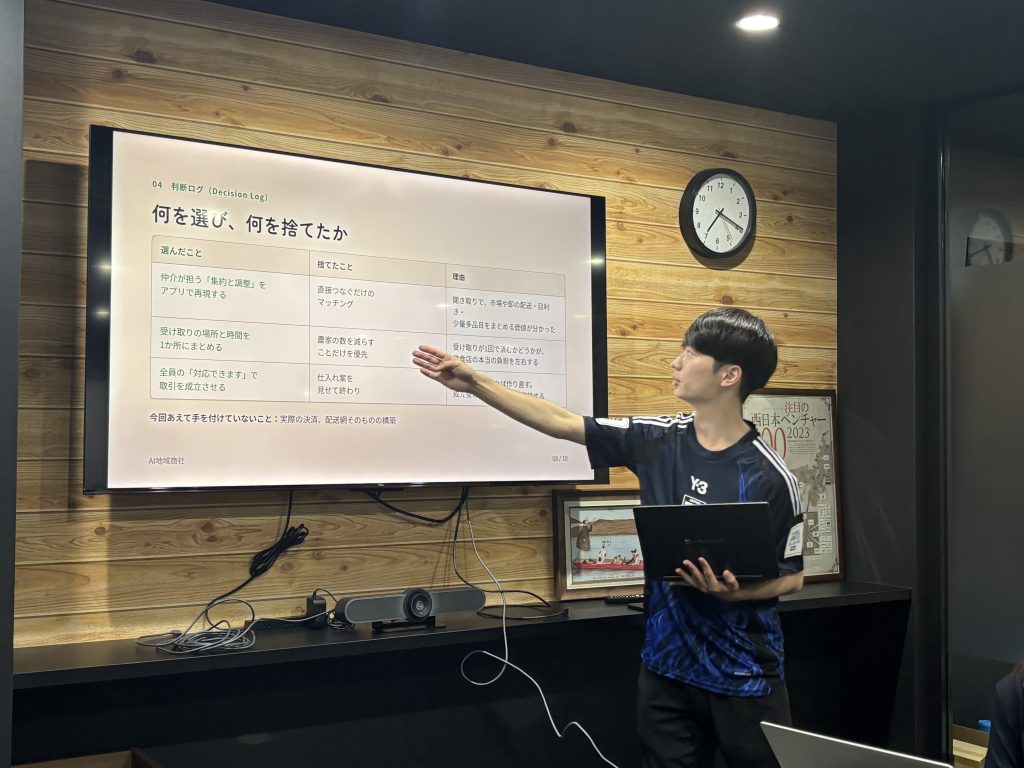
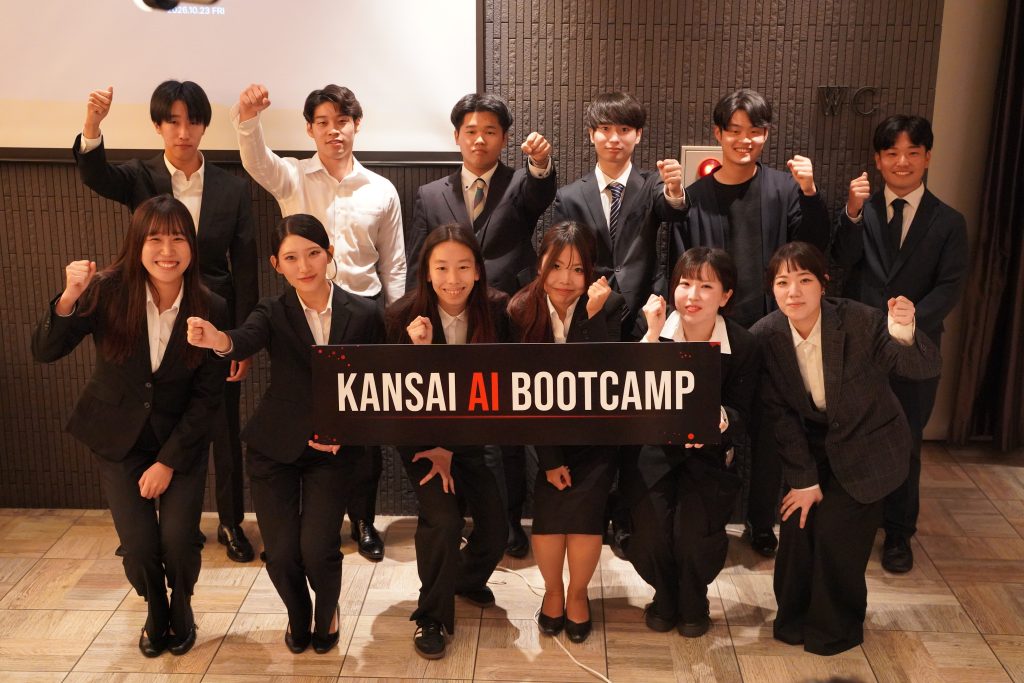
It was very impressive to see these four people, from different universities and faculties, working together towards a single goal, making final adjustments to the web application and practicing their presentation right up until the last minute
DEMO DAY
Then came DEMO DAY on Friday, October 23, 2026. As the MC, I could clearly feel the students' nervousness, and it made me feel a sense of awe as well
At DEMO DAY, each team gave a presentation and a live demo of their self-developed web application. Five judges, including the organizer's representative, evaluated each team's work out of a maximum of 5 points, for a total of 125 points. The scoring criteria were as follows:
- Practicality: Is it a product that can actually be used?
- Technical skill: Quality of implementation, and whether there is any technical ingenuity
- User perspective: Is the design and UX based on the user's needs?
- Idea: Is there originality in how the problem is perceived and the solution is proposed?
- Teamwork: Is there any variation in the quality of each person's app?
The students explained in their own words the background behind their web application's planning and the key points they focused on to solve the challenges. During the live demo, they demonstrated how to use the application while actually operating it. When I saw how the actual web application was completed, I was happy to see everyone's hard work
During the subsequent Q&A session, the judges asked a series of sharp, user-centric questions about whether the project would be viable as a business. The students, though initially flustered, diligently answered, recalling what they had discussed as a team
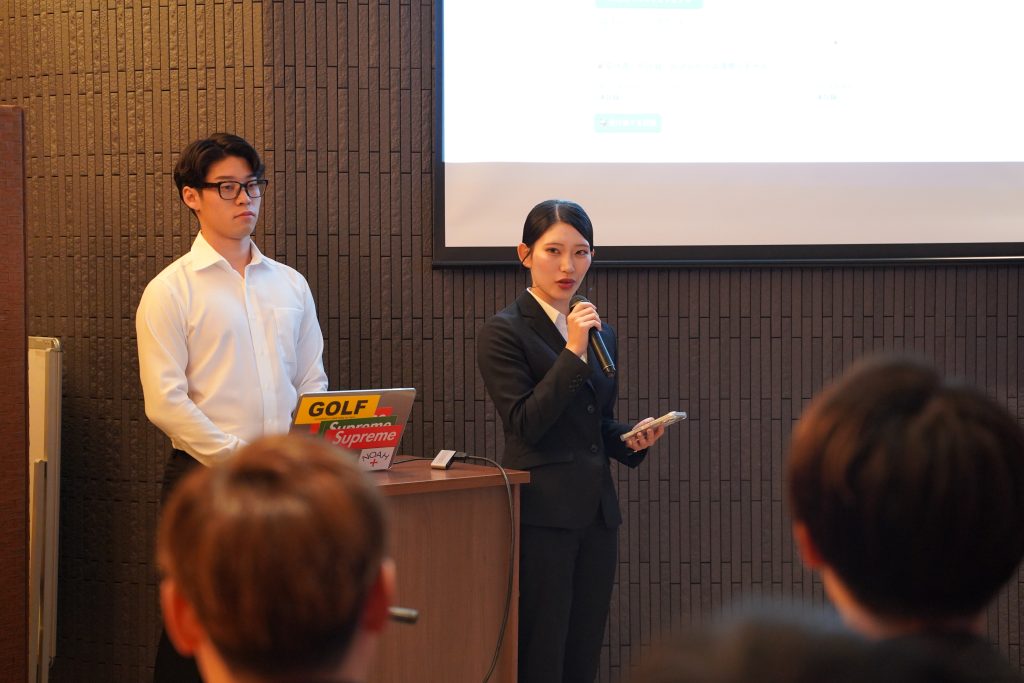
Now, let me briefly introduce the web applications developed by our students!
TEAM A (LocAI): A web app that connects farmers and restaurants, facilitating local production and consumption, and sourcing vegetables in the quantities needed
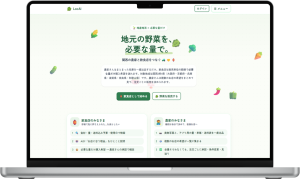
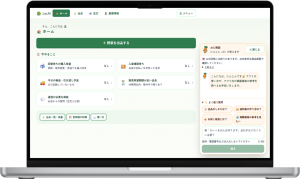
This web application directly connects individual restaurants with local farmers for small-lot procurement. It features an AI called "Carrot" that automatically calculates and suggests the necessary ingredients and quantities. When a restaurant searches for ingredients, it also includes a function to add a brief explanation of the reason for the suggested ingredients and to suggest alternative ingredients if the desired ingredients are unavailable
TEAM B (beyond-the-past):AI Regional Trading Company Web App 'AI Regional Trading Company' that supports small-lot procurement for restaurants.
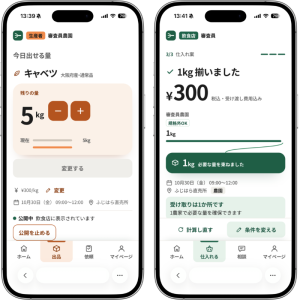
This web application allows restaurants looking for ingredients to simply input the desired ingredients and quantities using natural language (voice or text), and it will suggest nearby farmers as suppliers. It searches for and suggests farmers with sufficient stock, and only if stock is insufficient, it will combine up to three other farmers for a complete purchase. Its key features are its simple design that anyone can use without difficulty and its support for voice input
TEAM C (Haisai):'Local Door', a multilingual web app connecting international tourists with local shops.
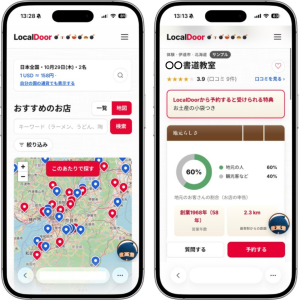
This web application connects international tourists with hidden local shops in Japan, eliminating language barriers. Tourists can search for shops in their own language and find local favorites based on factors like the proportion of local customers. Shop owners can simply enter their shop information in Japanese, and it's automatically translated into three languages for publication. Pre-visit communication can also be done via real-time chat in each other's native languages. Its high level of practicality, eliminating language anxieties for international tourists while minimizing the workload for shops, has been praised
result
And after the judging, the winner was...the web application "Local Door." The winning team was presented with a trophy. While the winning team was overjoyed, the other two teams looked disappointed, and as the MC, I was deeply moved to see how seriously every team had approached this DEMO DAY.
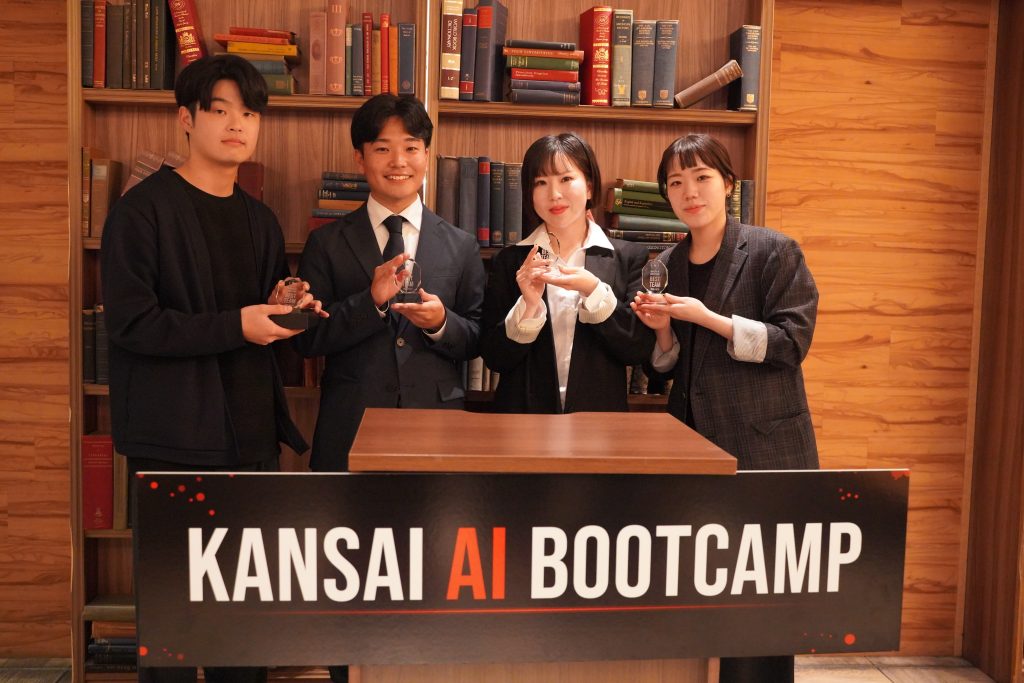
Afterward, certificates of completion were awarded to all 12 participants who had completed the three-month program

Representative and mentor comments
Representative Director Haraoka
after discussions among the representatives of the three companies, driven生の皆さんに本当に役立つスキルを身につけてほしいby the desire to help students acquire truly useful skills. The three representatives also agreed on the need to offer this opportunity free of charge. We hope that students will use the experience gained here to succeed in their job search.
Mentor: Ms. Teraoka,
The first session of the Kansai AI BootCamp has successfully concluded. Thank you to all the students who participated; you all did a great job until the very end. I know there were many challenges in learning and putting into practice content that is different from your academic studies, but seeing your unwavering dedication and perseverance until the end made it a very meaningful experience for me as an instructor/mentor.
Now you will be entering a crucial period as you transition from student to working professional, with job hunting beginning. I hope that what you learned and experienced during this opportunity will be put to good use and contribute to a better life for all of you.
The challenge continues into the next phase
Looking back, some students initially didn't know what to do and wondered if they could really create an app. Yet, just three months later, they had built a service themselves and launched it online. These 12 students demonstrated firsthand that if you don't give up because you're a humanities major or inexperienced, and take that first step, you can expand your life's options endlessly. I look forward to meeting more students who will take new steps next semester
The KANSAI AI BOOTCAMP initiative will continue next year and beyond... We're already looking forward to meeting all the students next time!
To all the first-generation trainees, thank you so much for your hard work over the past three months. I sincerely wish you all the best in your future endeavors!
Thank you for reading to the end!


The person who wrote this article
About the author