

What is "Fog Computing" necessary for IoT?
This is Ohara from the Technical Sales Department
As the title suggests, this time I will write about "Fog Computing"
Since
fog computing is not a term that many people have heard of, I would like to start by explaining its overview.
The origin of the term fog computing
In the IT world, the word "cloud" literally means "cloud," but
the word "fog" literally means "mist."
It is expressed as "fog" because it is positioned closer to users than the "cloud."
Another term similar to fog computing
is "edge computing."
This literally means "edge side,"
and like fog computing, data processing and distribution is done close to the user.
Requirements for building IoT
Recently, companies have been making various efforts to introduce IoT systems
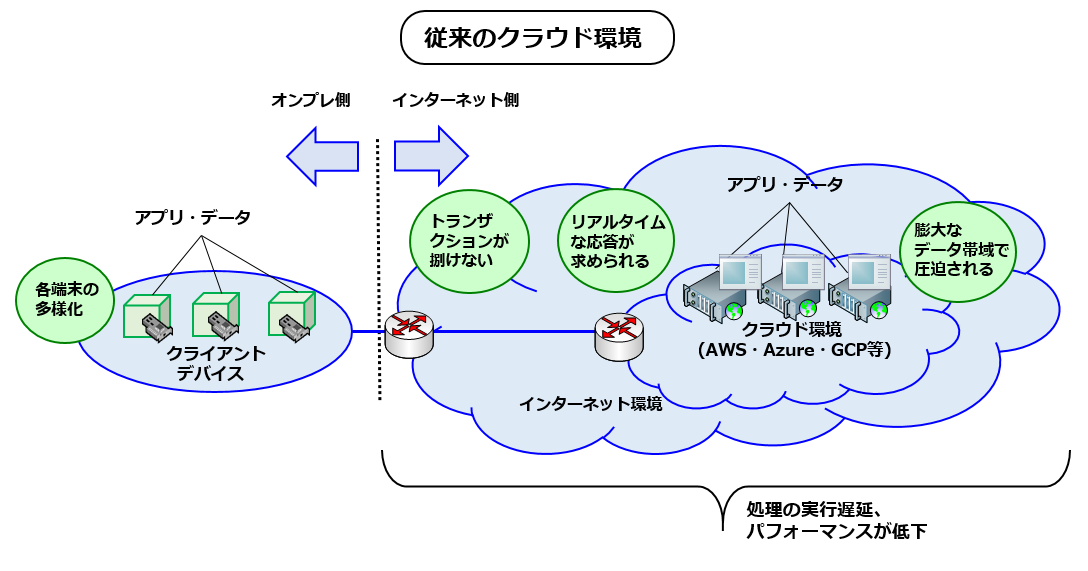
Furthermore, as shown in the diagram below,
traditional cloud configurations have issues with real-time responses and transactions,
making it difficult to achieve satisfactory results.
This is where the concept of "fog computing" comes in.
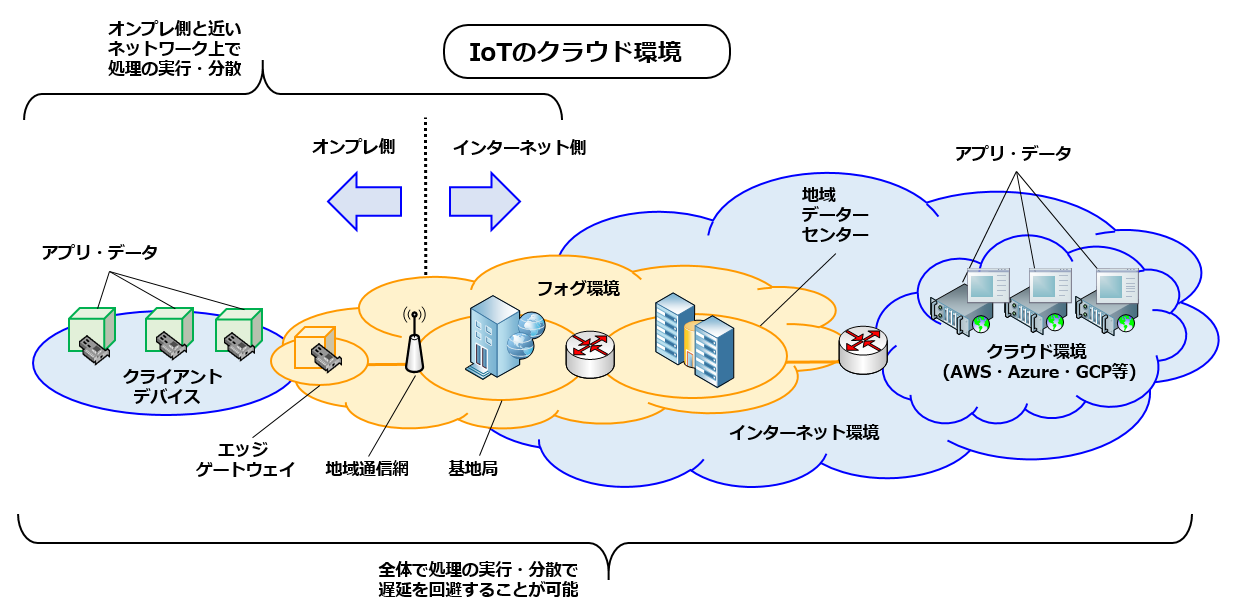
The configuration that adds fog computing to a traditional cloud configuration
looks like the diagram below.
summary
The concept of fog computing is that it exists in a cloud environment and at endpoints.
Furthermore, to realize IoT, it is essential to build not only a fog environment but also a cloud environment.
 0
0 Loading...0



The person who wrote this article
About the author