

[Organizational Culture Committee] What kind of training facilitates communication?
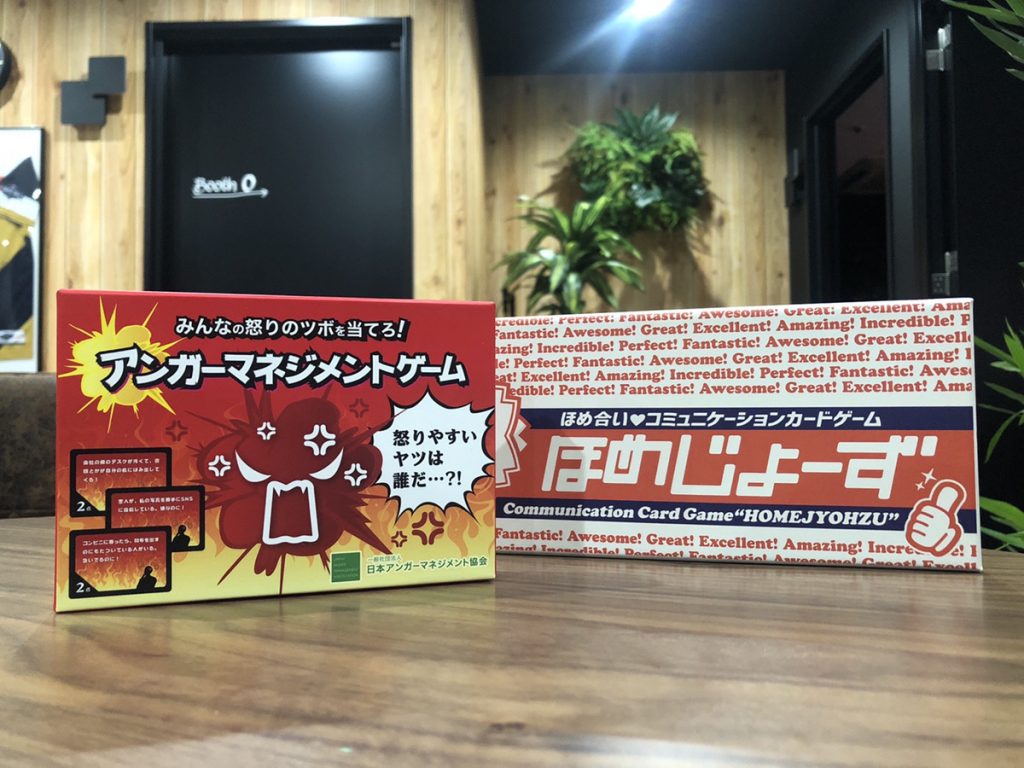
table of contents
Hello!
I'm Inoue, a Persian cat from Beyond Co., Ltd.'s Shikoku office.
Five new graduates joined our company in April.
, held training sessions once a month in April, May, and June to
Part 1: Searching for the Same Thing
"Same-person search" is a game in which each group introduces themselves and finds commonalities. The game
was played in groups of about five people.
All five people must have the same commonalities.
Therefore, while it may seem simple, it's actually quite difficult to find commonalities.
The purpose of "Same-person search" is to allow members who have just started working together to get to know each other.
They may discover new things, such as the same hobbies or favorite foods, and the conversations can flow easily. When
people find commonalities, they suddenly feel closer to that person.
The aim is to take advantage of this sense of familiarity and quickly deepen their friendships.
Part 2: Praise Jobs
"Homejozu" is a game in which participants roll a dice, draw a card of a designated color according to the number rolled,
and use the word written on the card to praise others.
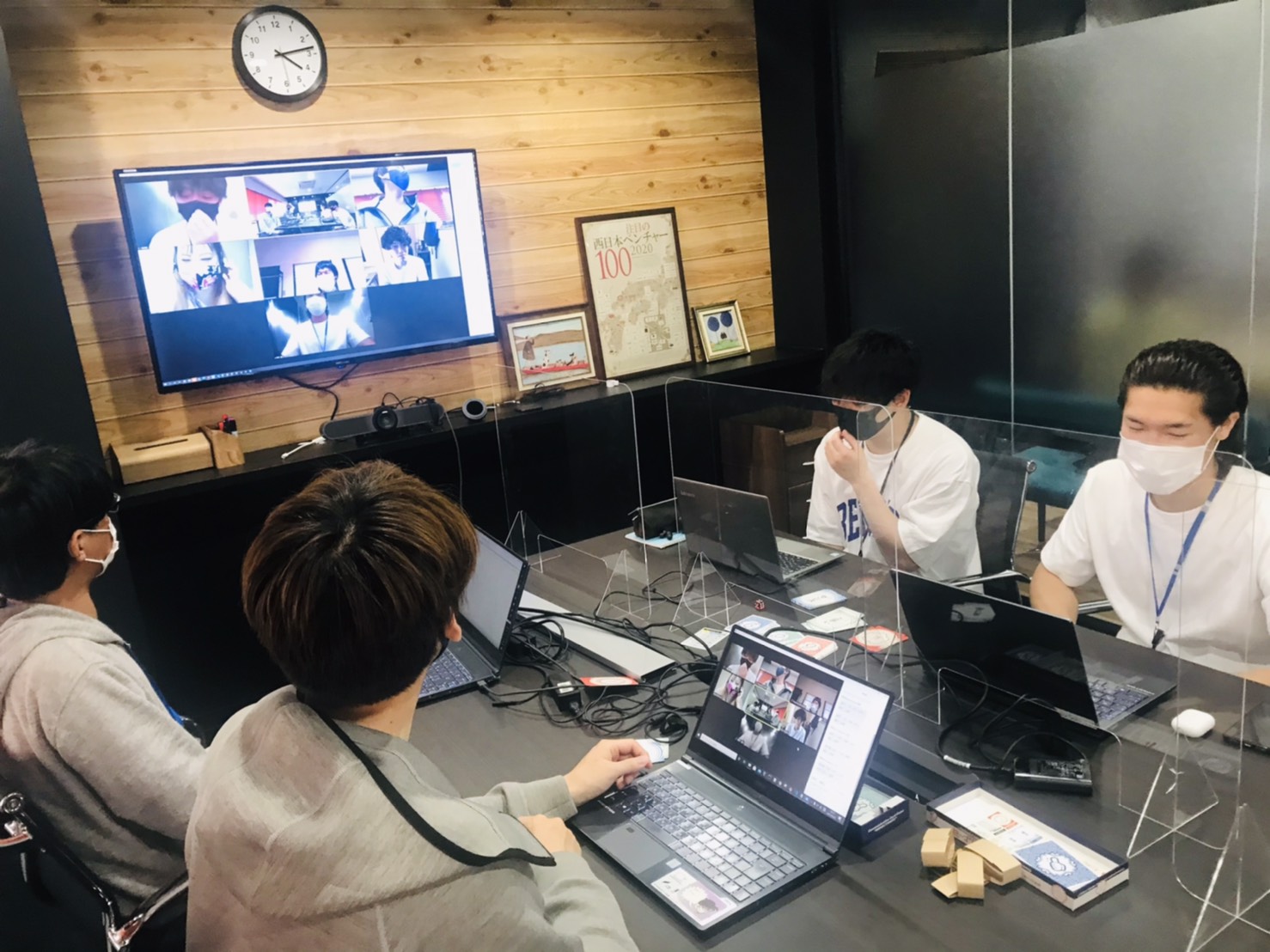
Although the participants included new graduates and members with little experience,
they all used the designated words to compliment others in creative ways.
This season's Socibun theme was "praise activities," so
the goal was to focus on the positive aspects of others, rather than their negative ones.
It's easy to find someone's negative traits.
it can be difficult to find
their positive traits unless you have the mental space and the perspective to appreciate what's great about them The goal of using the Homejozu cards to consciously praise others is to encourage people to practice "praising" in their everyday work.
Regular praise gives people a sense of recognition. Once
this sense of recognition is ingrained, they will be able to accept criticism.
I wrote about the effects and benefits of "praising" in my previous blog, so please take a look.
Increasing self-esteem? My Persian cat has started giving praise.
Will giving praise repeatedly make you like your job? Real-life experiences and the culture of praising
. Homagejozu is a fun game to play with people you don't know well, but it's
also fun to play with people you know well, so I recommend it!
Part 3: Anger Management
"Anger Management" is a game in which participants predict and correctly assess the level of anger their parents feel in response to a given angry incident.
Those who accurately match the parent's chosen anger gauge receive two points, while those who are closest receive one point.
As the name "anger management" suggests, this game focuses on managing one's own anger.
By practicing anger management, participants learn the differences between the events that anger them and the other person, as well as the degree of anger they feel, thereby
recognizing that they are different from them and helping them manage their own anger.
Different people experience different anger triggers.
When checking their answers, some parents may find their answer understandable when asked why they chose that anger gauge, while
others may be surprised by how different their perspective is. Someone
who seems surprisingly gentle may be feeling anger, while someone who seems surprisingly short-tempered may not be feeling anger at all.
Discovering these unexpected aspects of yourself is one of the fascinating aspects of anger management.
Working in a company, you may encounter unsatisfactory events.
At times like these, anger management can be helpful.
It is said that anger peaks six seconds after you feel it.
When you feel annoyed, try taking a deep breath for six seconds and calming your mind.
Your anger gauge should be lower than when you first felt annoyed.
Whether at work or in your personal life, it's easy to let your anger get the better of you and yell, but this can damage relationships.
It depends on the relationship, but when relationships are damaged, it can take time to repair them.
For this reason, anger management is important in everyday life.
Building relationships while understanding that "you and I have different values" seems basic, but it's actually quite difficult.
Thank you card
After each training session, we set aside about 15 minutes for participants to write thank-you cards.
I believe it's very important to express gratitude, even for small things.
There are many opportunities to express gratitude in our daily work. We decided to distribute these thank-you cards
to our new graduates so they can experience the importance of saying thank-you and the happiness they feel when they say it! Going
forward, we hope to spread thank-you cards not only in our new graduate training sessions, but throughout Beyond as well.
By expressing gratitude for everyday things that we can't say face-to-face, we believe it can boost each other's motivation, remind us that we need each other, and reaffirm the importance of each other's roles.
If any companies have implemented thank-you cards within their companies, we'd love to hear about their successes and failures!
Finally
Starting this year, we held Socibun training for the first time for new graduates.
Since there was no precedent for this, it was difficult to plan the training.
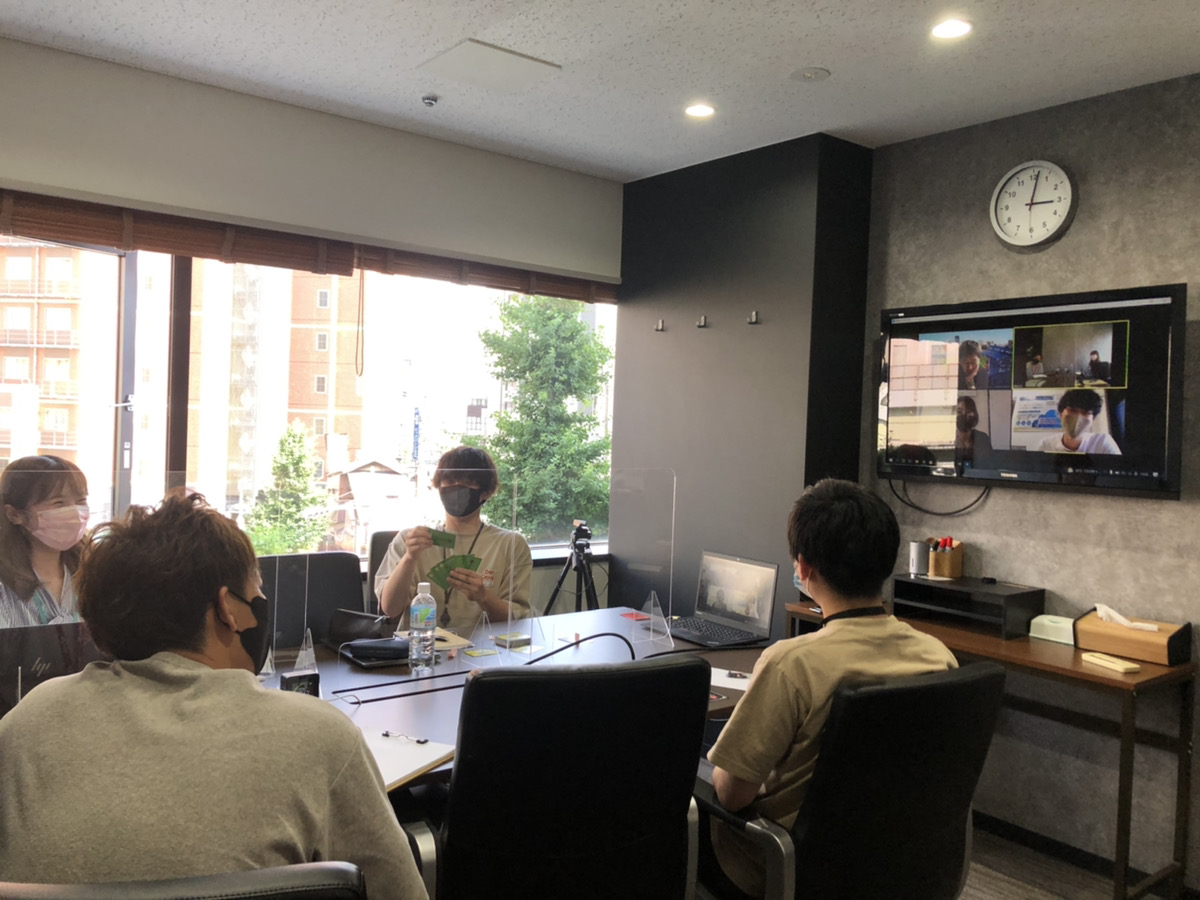
What was even more difficult was that, since we were based in different locations, there were bound to be members participating online, and we
had to make some slight rule changes to ensure that the training would run smoothly online.
we were really happy when we heard from the members who participated
In the future, we plan to use "Praise Jobs" and "Anger Management" in team-based training sessions and exchange events between bases
Growing every day, progressing every day.
I have to update myself every day!!!
Thank you for reading to the end.
 0
0 Loading...0



The person who wrote this article
About the author